
 AI Governance
 Data Centers
 Drones
 Climate
 Privacy
 2026 Maine Senate
 Bob Dylan
NERC Raises Data Center Grid Bar
Coverage from Carbon Direct, Keentel Engineering, and others
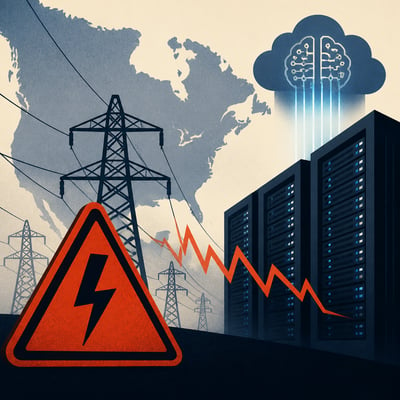
NERC is raising the technical and planning requirements for large data centers, AI facilities, crypto-mining sites and other computational loads after documenting rapid load reductions exceeding 1,000 MW during grid disturbances.
Its May 2026 alert and related guidance emphasize detailed dynamic and electromagnetic-transient modeling, validated equipment behavior, disturbance monitoring, commissioning checks and improved treatment of flexible load in reliability forecasts. The changes could lengthen interconnection timelines while increasing the value of curtailment, storage, ride-through capability and behind-the-meter resources. NERC is also considering longer-term registration and reliability-standard changes for qualifying computational loads.
The story now places greater emphasis on how large computational loads are becoming an operational reliability resource, not just a grid risk, while also expanding the list of affected regions. It also sharpens the path toward future compliance by noting possible direct obligations later in 2026.
NERC’s response has moved from general concern to a more concrete, operationally prescriptive push after repeated large load-drop events. The new material raises the likelihood of tighter modeling, commissioning, and forecasting requirements, while signaling possible delays for large-load interconnections.