
 AI Governance
 Data Centers
 Drones
 Climate
 Privacy
 Bob Dylan

Drones Quick Briefing
2026-11-27
Drone Capabilities Advance, but Dependable Deployment Remains the Test
of Play
Low-cost military drones and evolving defenses continue to drive rapid adaptation, while commercial operators still face the challenge of turning feasible flights into durable services. A new US strike-drone competition and Ukraine’s reported laser interception are meaningful signals, but neither yet establishes production capacity or repeatable effectiveness against faster threats.
What's New?
Military drone advantage depends on adaptation as well as scale
Ukraine’s use of inexpensive drones demonstrates the value of mass, but rapid iteration is also needed as battlefield conditions change. Reported satellite-link restrictions underscore a separate vulnerability in communications access.

Faster attack drones are testing existing defenses
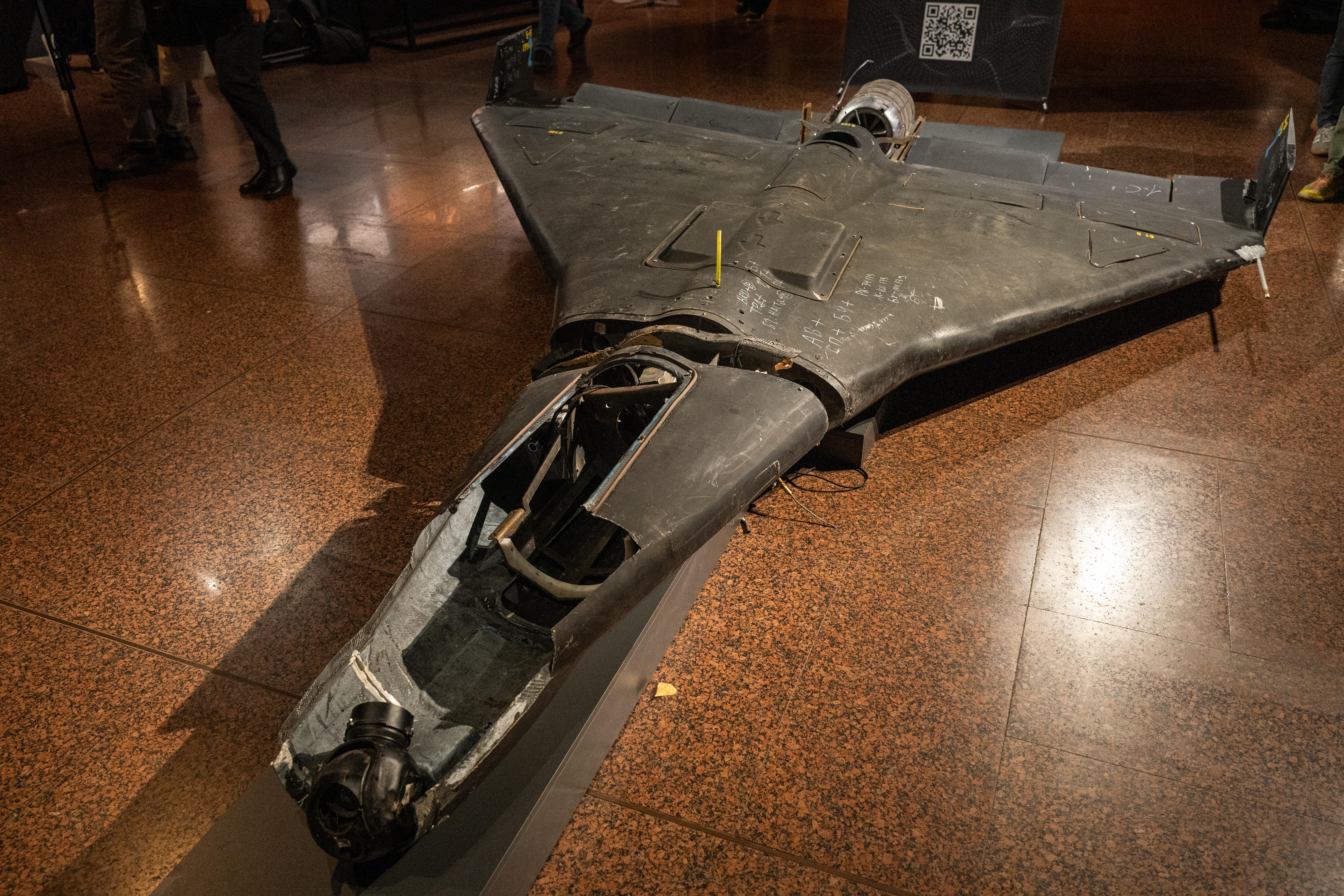
Ukraine’s reported success against slower piston-engine Shaheds does not establish equivalent protection against jet-powered variants. An announced laser interception offers a possible response, but reliable, affordable defense at scale remains unproven.
Commercial delivery remains constrained by the path to sustained service
Repeated flights can demonstrate operational feasibility without establishing a durable commercial network. Local opposition and flight authorization remain relevant constraints; Skyports’ 2025 Michigan ship-delivery trial has not been presented as permanent service.

What's Changed?
Pentagon opens a new competition for lower-cost strike drones
The Defense Innovation Unit opened an extended-range strike competition with a new medium-range tier, cost limits and requirements for operation under GPS and data-link jamming. The program offers up to $500 million, but prototype agreements and production orders remain prospective.
Ukraine reports a first laser interception of a jet-powered drone
A Ukrainian presidential adviser reported that the Blysk system destroyed a Russian jet-powered attack drone. This is a new signal against the previously identified defense gap, but it is one reported interception, not evidence of repeatable or scaled protection.
What Matters?
The defense gap is more qualified, not resolved
The reported Blysk engagement suggests lasers may offer an alternative to interceptor drones against faster targets. It does not yet alter the prior judgment that repeatable, affordable interception of jet-powered drones remains unproven.
US procurement is testing the link between affordability and resilience
The strike-drone solicitation combines cost constraints, jamming resistance and delivery targets. It reinforces the importance of producing usable systems quickly rather than treating low unit cost alone as an operational advantage; the competition has not yet demonstrated that suppliers can meet those requirements together.
What's Next?
Test whether jet-drone interception is repeatable
Watch for independently supported additional Blysk engagements, operating conditions, costs and deployment scale. These would materially update the existing watchpoint on defenses against jet-powered drones.

Track the strike competition from trials to deliveries
Watch the planned March 2027 demonstrations for performance under jamming, followed by prototype awards and actual production deliveries. Those outcomes would distinguish procurement ambition from deployable capacity.
Watch whether delivery trials become durable networks
Follow authorization, local acceptance and recurring service economics. Permanent ship-delivery operations or sustained expansion elsewhere would strengthen the case that repeated flights can translate into viable networks.