
Last Update: 04/05/2026 at 2:50 PM EST
Vietnam Ends And Protest Songs Fade
Coverage from philasun.com, abcnews.go.com, and others
Articles
5
Latest Article
05/04
Active Days
10
Executive Summary
The Vietnam War's end marked the peak and decline of protest songs, as Dylan and Collins anchored a more fragmented era
- Judy Collins recalls singing Bob Dylan's Masters of War at a Washington rally during Vietnam-era protests
- The end of the Vietnam War in 1975 marked a turning point for protest music in the US and abroad
- Collins, Joan Baez, Pete Seeger, and Peter, Paul and Mary helped carry antiwar songs nationwide
- Scholars say protest songs are usually tied to specific issues, times, and places
- Modern protest music still appears worldwide on issues like climate change, women's rights, and war
- US protest songs are now more fragmented, with fewer mainstream anthems than in the 1960s and 1970s
- Older protest songs have been reused in ads, rallies, and social media, often stripped of context
Quick Facts
- What: Protest songs peaked during Vietnam and later fragmented
- Where: Washington, D.C. and across the United States
- Why: War, civil rights, and social unrest drove the music
- Who: Judy Collins, Bob Dylan, Joan Baez, Pete Seeger
- When: During the 1960s and after Vietnam ended in 1975
Coverage Timeline: 10 Days
Featured Article
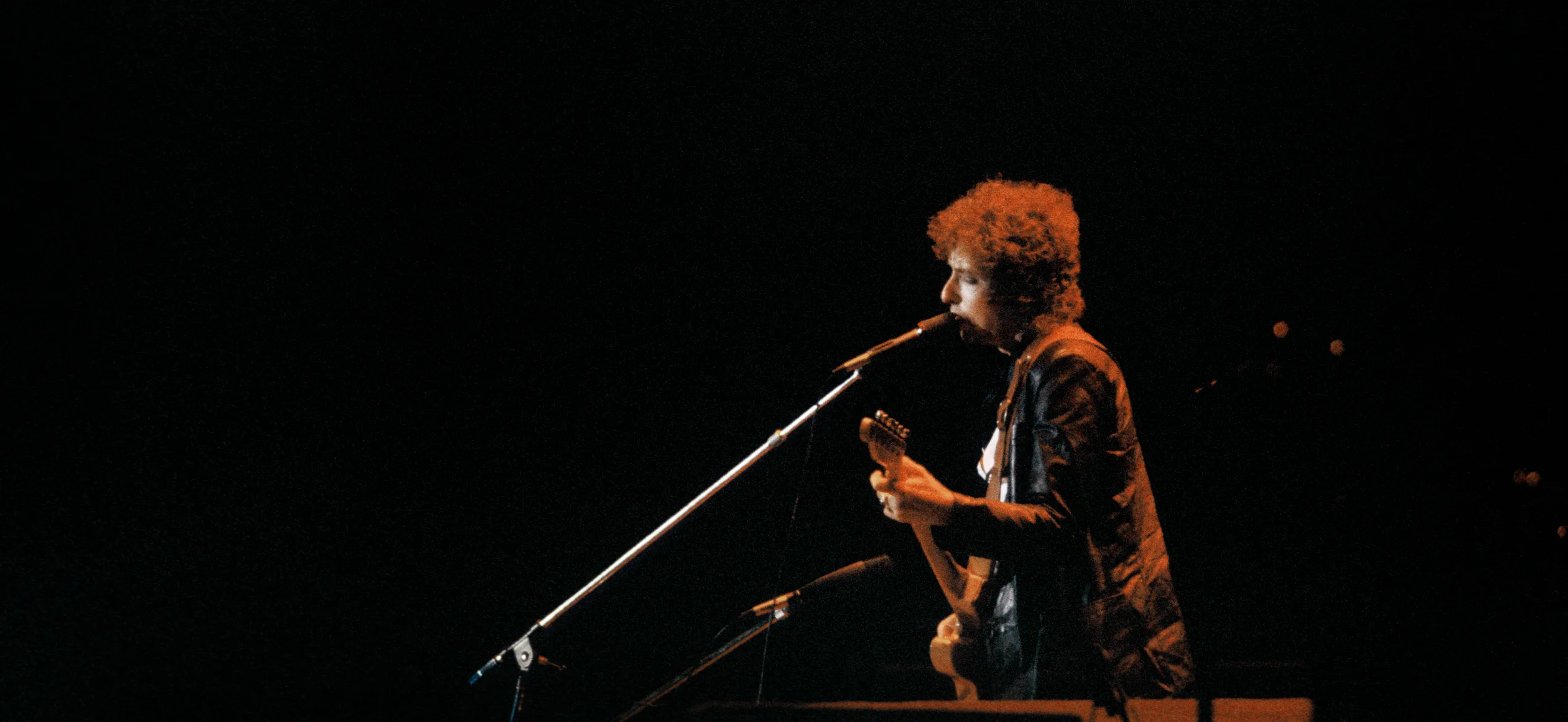
Judy Collins performed Dylan's Masters of War at a Washington, DC protest rally during the Vietnam era.
Additional Articles
⭐️⭐️
The end of the Vietnam War in 1975 is described as a turning point for protest songs in the United States and around the world.
Judy Collins performed Masters of War at a Washington, D.C. protest during the Vietnam era in the 1960s.
Judy Collins performed Dylan's Masters of War at a Washington protest during the Vietnam era.
Seattle Times reports that during the 1960s protest movements in the United States, Bob Dylan and fellow folk artists helped shape protest songs at Washington DC rallies.