
 AI Governance
 Data Centers
 Drones
 Climate
 Privacy
 Bob Dylan

Climate
—
Today and Yesterday
 At TransTech India 2026 in New Delhi, Indian power-sector stakeholders emphasized coordinated transmission expansion, grid flexibility, domestic equipment supply and faster project execution to support rising demand and renewable integration.
 In 2026, researchers led by Jevan Yu at MIT estimated that historical peatland drainage worldwide added 73 milliwatts per square meter of climate forcing by 2020.
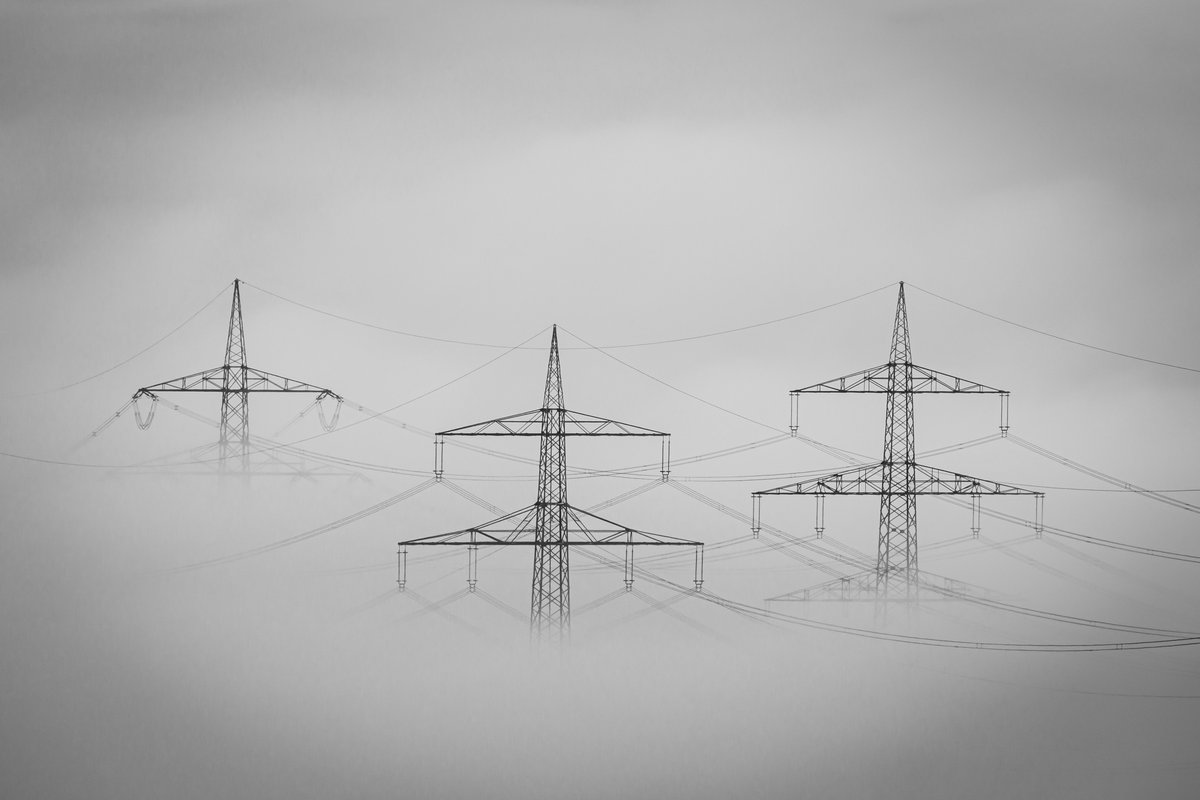 DIW Berlin researchers reported, using 1982-2019 conditions, that Germany and connected European power systems need up to 350 TWh of hydrogen storage to withstand prolonged renewable shortfalls.
 Maine regulators approved a Central Maine Power seasonal heat pump rate in November 2026, offering participating households lower winter electricity costs across Maine.
Yesterday's Lessons
Based on 164 articles published yesterday in The Conversation, Ars Technica, and others.
The latest evidence adds detail rather than a decisive change in the climate trajectory. Malaysia shows how growing electricity demand can support clean investment while raising questions about fossil displacement; competing US permitting estimates underscore that faster infrastructure is not automatically a net emissions gain. Adaptation also remains constrained by land-use decisions and affordability. Political negotiations in New Zealand have changed the context for policy durability, but no reversal is established.
Fresh analysis and great links every morning.
Evolving Issues
 80 Articles
 101 Articles
 130 Articles
 315 Articles
 170 Articles
 201 Articles
Who & What