AI Governance
 Data Centers
 Drones
 Climate
 Privacy
 Bob Dylan

Privacy Quick Briefing
2026-10-30
Privacy Controls Remain Uneven as Data Exposure and Scrutiny Grow
of Play
Privacy protection still depends on the jurisdiction, the data practice and the organization controlling access. The FTC’s new information requests broaden scrutiny of personal-data-driven pricing and pay, while a large student-record breach adds evidence of concentrated supplier risk. Neither development establishes a change in underlying business practices or a broader shift in privacy law.
What's New?
Legal remedies and data practices remain uneven
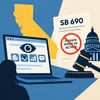
California’s SB 690 narrows a route for tracking litigation, while the FTC is examining how companies use personal data in pricing and worker compensation. Changes in enforcement routes do not, by themselves, establish changes in data collection or use.

Surveillance accountability varies by operator and access
License-plate surveillance can combine extensive records with broad employee access, while some contract cities have limited direct control over county-operated systems. These examples show distinct oversight gaps, not a demonstrated system-wide increase in deployment.

Sensitive-data protection depends on suppliers
The exposure of California student records through a testing provider reinforces the importance of supplier access and security. Separately, UK police cloud data can remain exposed to overseas access or legal disclosure risks even when hosted domestically.

What's Changed?
FTC ordered nine companies to provide pricing and pay information
The agency requested information from airlines, retailers and gig-work platforms on data and methods used for individualized customer prices and worker compensation. Responses are due in 45 days. This is an information-gathering action, not a finding of unlawful conduct or a new restriction on the practices.
Student records were copied from a testing provider
Attackers accessed an ETS file-transfer site between May and September and copied records of millions of current and former California public-school students. Files may contain test results and disability information; some records date to 2006. Notifications began October 16, so the breach itself did not begin in the current daily window.
DHS employee information was reportedly exposed
A reported breach of a DHS-used Okta service exposed records for more than 41,000 employees in a searchable archive. DHS said it was responding to a potential breach; the reporting does not establish that surveillance applications listed in the exposed inventory were themselves compromised.

What Matters?
Scrutiny is reaching the economic uses of personal data
The FTC inquiry could illuminate how personal information affects prices and pay, not just how it is collected. Separately, state attorneys general allege that GM driving data passed through brokers to insurers and could affect premiums. Those allegations and the inquiry do not establish market-wide practices or wrongdoing.
The school breach strengthens the supplier-concentration concern
A single provider’s compromised transfer account exposed records spanning many years and millions of students. The case strengthens the prior assessment that privacy depends on ongoing supplier controls and retained data, rather than on the public institution’s own safeguards alone.
What's Next?
Follow the FTC’s requests through to findings
Watch whether company responses identify material uses of personal data in individualized pricing or pay, and whether the inquiry produces enforcement or operational changes. The current requests alone do not resolve those questions.
Test whether ALPR controls reach actual operators
The existing watchpoint remains unresolved: look for audits and binding restrictions on who can query systems, how linked data is used and how long records are retained. Controls limited to purchasing cities would not necessarily govern county operators.
Separate Section 702 disclosure from implementation
The existing question remains whether further disclosure clarifies limits on filtering Americans’ communications and whether tools or renewal terms actually change. The available current evidence does not resolve implementation.