
 AI Governance
 Data Centers
 Drones
 Climate
 Privacy
 2026 Maine Senate
 Bob Dylan
Infostealers Expose Credentials Across Identities
Coverage from BleepingComputer, Sovereign Bank, and others
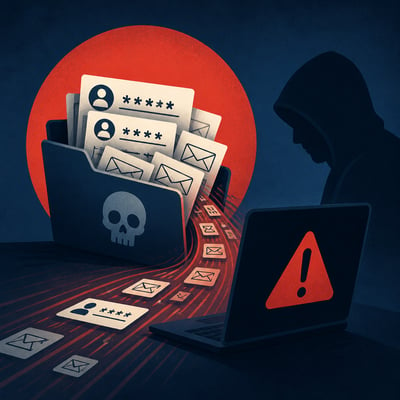
Infostealer malware and exposed breach databases are turning stolen passwords, session data, email addresses, and account records into reusable access across personal and enterprise services.
Large collections analyzed or added to Have I Been Pwned show how endpoint compromise can bypass corporate defenses and connect online identities to employers and sensitive accounts. The main defensive direction is to identify exposed credentials quickly, prevent password reuse, and strengthen accounts with multifactor authentication, password managers, or passkeys.
The story broadens from a narrow focus on one large stealer-log exposure to a wider ecosystem of reusable credential and identity data, including cookies, tokens, browsing histories, and older breach material. It now more explicitly frames the threat as cross-account reuse across personal, corporate, cloud, and financial services, with stronger emphasis on phishing, extortion, and passkeys as a defense.