
 AI Governance
 Data Centers
 Drones
 Climate
 Privacy
 2026 Maine Senate
 Bob Dylan
Airport Facial Scans Meet Traveler Choice
Coverage from Beacon Journal, MassLive, and others
U.
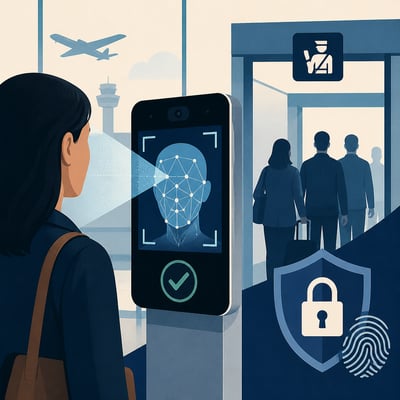
S. airport security and border agencies are expanding facial comparison systems that match live traveler images with government-issued identification during checkpoint and preclearance screening. TSA presents the technology as a faster, more consistent identity check and says travelers can generally request manual verification, while CBP applies different rules to U.S. citizens and some foreign nationals. The expansion has intensified scrutiny of biometric accuracy, demographic performance, consent, image deletion, database use, and oversight.
If you read one thing
It clearly introduces TSA facial comparison expansion and the practical choice to request manual verification.
Best explainer
It explains the system's deletion assurances and the human fallback required when automated matching fails.
The evidence
It adds substantive evidence on airport expansion, biometric-data exposure, demographic error disparities, and weak awareness of opt-out rights.
Biometric checkpoint use is expanding
TSA continues broadening facial comparison across U.S. airport checkpoints and programs, matching live traveler images with passport, license, or other identification photos. The corpus documents Touchless ID growth from 15 to 65 airports alongside continued checkpoint deployment.
Formal choice exists, but informed consent is contested
TSA describes manual identity checks as an opt-out that should not penalize or materially delay travelers. Reporting that most travelers do not know they can decline the scan leaves notice and practical voluntariness unresolved.
Deletion assurances face governance and security scrutiny
TSA and vendors repeatedly assert that checkpoint images are deleted immediately after successful identity checks. A reported breach involving 190,000 traveler images and proposed legislation targeting scan limits and deletion keep retention, security, and independent accountability unresolved.
Automated matching remains dependent on human fallback
Facial comparison is not fully reliable: failed matches require TSA officers to conduct manual identification. Federal testing cited in the corpus also indicates substantially higher error rates for some demographic groups, leaving operational reliability and equitable performance as continuing constraints.
Newly added articles reiterate the expansion of airport biometric identity checks and the availability of manual alternatives, but provide no material new development beyond the existing Topic state.
Previously
TSA and airport partners are expanding facial matching and touchless identity verification across U.S. checkpoints, linking live images with passport, REAL ID, license, and previously submitted federal identity records. The shift promises faster screening and less document handling, but opt-out visibility, biometric accuracy, deletion claims, vendor access, and workflow failures remain unresolved.
The story now extends beyond TSA checkpoints to CBP biometric preclearance overseas, introducing different requirements for citizens and some foreign nationals. It also adds operational consequences from CT scanner modernization.
The story now highlights a conflict between TSA/IDEMIA claims that checkpoint images are promptly deleted and reporting about longer DHS biometric retention periods. Proposed congressional restrictions also sharpen the oversight debate.