
 AI Governance
 Data Centers
 Drones
 Climate
 Privacy
 2026 Maine Senate
 Bob Dylan
Last Update: 09/29/2026 at 4:33 PM EST
Blockchain privacy and compliance controls
Coverage from Elliptic, Stellar, and others
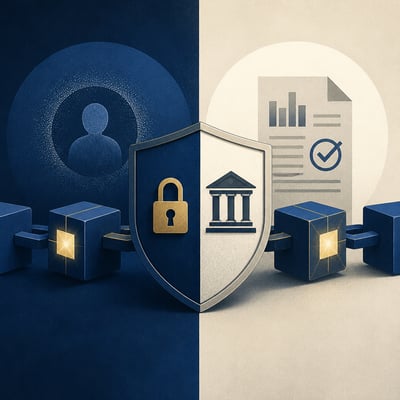
Blockchain privacy discussions are converging on a practical tradeoff: financial institutions want auditability and settlement transparency, while users and firms need selective disclosure, confidential transactions, and compliance-ready controls.
The recurring pattern is layered privacy rather than full secrecy.
Looking Back
82 Day Timeline
Mar 9
Mar 23
Apr 4
Apr 18
May 2
May 14
May 28
All Articles4 articles
Additional
5/29/2026 • Regulation, Law & Enforcement • General
3/9/2026 • Corporate Data Practices & Accountability • General