
 AI Governance
 Data Centers
 Drones
 Climate
 Privacy
 2026 Maine Senate
 Bob Dylan
Facial Recognition Match Jails Tennessee Woman
Coverage from The Jerusalem Post, Oddity Central, and others
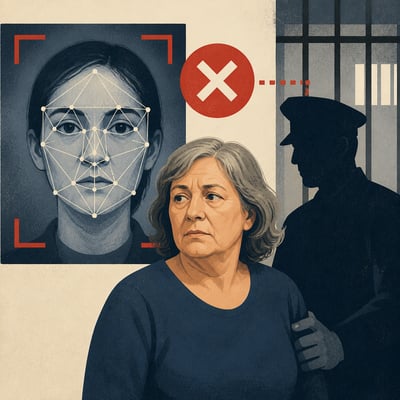
Angela Lipps was arrested in Tennessee after Fargo investigators used facial recognition to identify her as a suspect in a North Dakota bank fraud investigation.
She remained in custody for months before bank records showed she was in Tennessee when the crimes occurred, leading prosecutors to dismiss the charges. The case highlights how an algorithmic match, when not independently verified, can contribute to wrongful detention, disrupted extradition, and severe personal and financial consequences.
The update adds concrete details about the timeline and aftermath, especially that Lipps was transported to North Dakota and later released after prosecutors dismissed the case. It also sharpens the accountability critique by naming defense counsel and emphasizing the need for corroboration and documented investigative decisions.