
 AI Governance
 Data Centers
 Drones
 Climate
 Privacy
 2026 Maine Senate
 Bob Dylan
ACLU Sues Over Facial Recognition Arrest
Coverage from News-Press, WJCL, and others
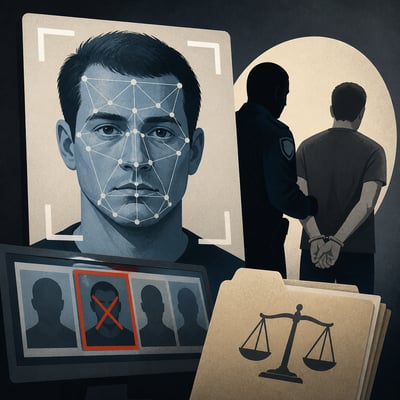
The ACLU is representing Robert Dillon in a federal lawsuit alleging that a facial recognition result contributed to his wrongful arrest in Florida for a child-enticement charge that prosecutors later dropped.
The case challenges how Jacksonville Beach, Jacksonville, and Pinellas County law enforcement used and interpreted the FACESNXT system, including whether investigators treated an investigative lead as probable cause and omitted exculpatory information. Pinellas County disputes failures in training or safeguards and says the system requires independent identity verification.
The story has sharpened into a federal civil-rights lawsuit with clearer procedural and remedy details: prosecutors dropped the charge, and Dillon is now seeking damages and policy changes. The current version also adds a more explicit dispute over whether FACESNXT results were treated as probable cause rather than an investigative lead.