
 AI Governance
 Data Centers
 Drones
 Climate
 Privacy
 2026 Maine Senate
 Bob Dylan
Healthcare Data Breach Investigations Expand
Coverage from Federman & Sherwood, The HIPAA Journal, and others
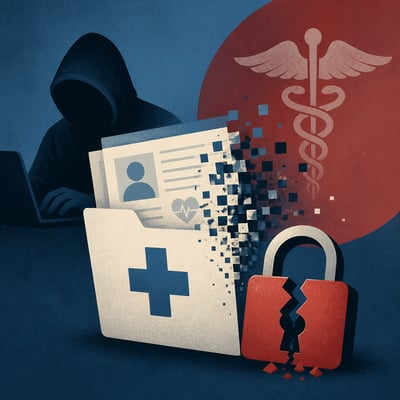
Healthcare providers and related organizations are reporting cyber incidents in which unauthorized actors accessed networks or copied files containing personal and protected health information.
The incidents range from several thousand affected individuals to hundreds of thousands or more, although the specific data exposed is not always known. Organizations are responding with investigations, regulatory notifications, security upgrades, and credit or identity-monitoring services, while law firms assess potential claims.
The update broadens the story beyond healthcare breaches to include a local-government cyber incident, while also sharpening the roster of named entities and the regulatory/legal framing. Overall, it reinforces the same breach pattern but adds clearer scope, actors, and response context.
The story has broadened from a set of healthcare breach disclosures into a larger, more quantified cyberincident pattern that now includes a claimed exposure affecting more than 2.5 million people and multiple still-unresolved file reviews. It also adds stronger emphasis on ongoing legal scrutiny and remediation steps such as monitoring, infrastructure reviews, and security upgrades.