Last Update: 08/01/2026 at 1:00 PM EST

ACLU Challenges Facial Recognition Arrests

Coverage from The Tech Buzz, CBS News, and others

Articles

10

Active Days

41

The Topic

ACLU Challenges Facial Recognition Arrests topic image

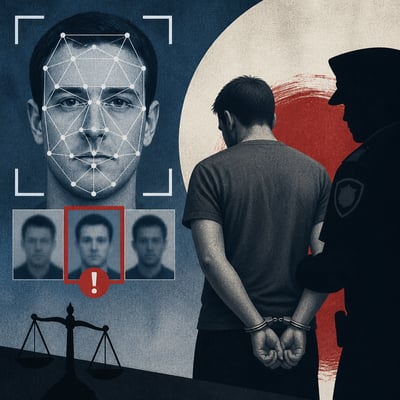
The topic centers on ACLU efforts to challenge law-enforcement reliance on facial recognition and other AI systems in criminal investigations. A Florida lawsuit alleges that police treated a FACESNXT candidate result based on poor-quality surveillance images as confirmation, contributing to Richard Dillon’s arrest before charges were dropped, while an ACLU toolkit urges Massachusetts defense attorneys to seek disclosure of undisclosed AI-generated evidence. The developments highlight unresolved questions about independent verification, image quality, algorithmic error, vendor secrecy, and defendants’ ability to test evidence used against them.

First Article: 06/10/26

Latest Article: 07/20/26

Summary

  • An ACLU lawsuit alleges Jacksonville Beach police relied on a 93% FACESNXT result from shadowed, off-axis images in arresting Richard Dillon.
  • Dillon’s charges were dropped after defense evidence supported his claim that he was elsewhere, according to the lawsuit and related reporting.
  • The case alleges investigators treated a facial-recognition candidate as confirmation and failed to pursue available corroborating evidence.
  • An ACLU toolkit gives Massachusetts defense attorneys discovery requests and motions aimed at obtaining information about facial recognition and AI-generated police reports.
  • Courts have not established a consistent standard for disclosing algorithmic decision-making, vendor restrictions, or technical testing access.
  • The central dispute is whether AI tools remain investigative leads subject to independent verification or become opaque substitutes for conventional police work.

History

07/23/2026

The update mainly tightens and clarifies the Florida facial-recognition case, adding Richard Dillon’s name and more specific allegations about the poor image quality and the dropped charges. It also reframes the Massachusetts guidance more broadly around AI-generated criminal evidence and disclosure.

07/22/2026

The story now adds a second, broader legal front: beyond the Florida wrongful-arrest lawsuit, the ACLU is actively pushing defense-side discovery and testing tools for AI-assisted evidence in Massachusetts. It also clarifies that the Florida case ended with charges dropped, sharpening the focus on evidentiary reliability and disclosure.

Featured

Timeline: 41 Days

Jun 10Jun 19Jun 25Jul 4Jul 10Jul 19

Additional Articles

⭐⭐⭐⭐⭐

Yahoo06-10-2026
ACLU filed a lawsuit in 2023-2024 against Jacksonville Beach Police over alleged FACESNXT facial recognition misuse that Dillon says led to a false arrest and clear outcome.
Wegotthiscovered / Sadik Hossain06-12-2026
ACLU sued Jacksonville Beach Police after FACESNXT facial recognition allegedly led to Richard Dillon's wrongful arrest, with charges later dropped in Florida.
Florida Phoenix / Jay Waagmeester06-14-2026
ACLU of Florida filed suit in federal court in 2024 alleging Jacksonville Beach police used facial recognition that produced a false match for Robert Dillon.
Reason / Joe Lancaster06-11-2026
Robert Dillon, represented by the ACLU, sued Jacksonville Beach officers in 2024 after facial recognition from low-quality images allegedly led to an arrest that was later dismissed.
WebProNews / Victoria Mossi06-12-2026
ACLU filed a June 10, 2026 lawsuit over a June 2024 facial recognition match that supported a wrongful August 2024 Jacksonville Beach arrest of Robert Dillon.
Statescoop / Keely Quinlan06-10-2026
ACLU-backed litigation alleges Florida law enforcement used facial recognition in an August 2024 warrant process leading to Robert Dillon's wrongful arrest in Jacksonville.
Webpronews / Ava Callegari06-12-2026
ACLU and ACLU of Florida filed a federal lawsuit on June 10, 2026 alleging Florida police used unreliable Faces system facial-recognition matches for probable cause.