
 AI Governance
 Data Centers
 Drones
 Climate
 Privacy
 2026 Maine Senate
 Bob Dylan
Fargo Facial Recognition Wrongly Identifies Tennessee Woman
Coverage from Heraldousa, Jezebel, and others
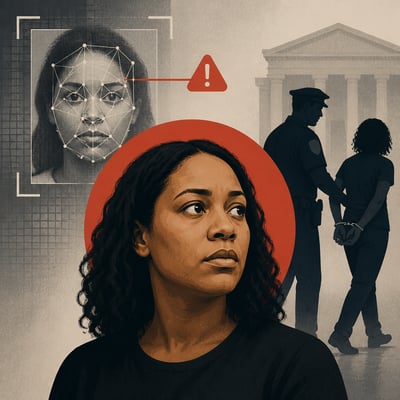
Angela Lipps, a Tennessee resident, was arrested and detained after investigators linked her to a Fargo, North Dakota, bank-fraud investigation through a facial-recognition-assisted identification involving a fake ID image.
Her charges were dismissed after bank records supported her account that she was in Tennessee, prompting criticism of biometric evidence, investigative verification, and the threshold for probable cause. Fargo police said the department made an identification error and responded with additional training and a new AI-use policy.
The main update is that the story now adds a clearer account of the identification error and the consequences for Lipps, including reported housing, financial, and personal losses. It also strengthens the post-incident response narrative by specifying that Fargo police added training and formally implemented a new AI-use policy.