
 AI Governance
 Data Centers
 Drones
 Climate
 Privacy
 2026 Maine Senate
 Bob Dylan
Last Update: 09/29/2026 at 3:33 PM EST
Synthetic Data And AI Privacy
Coverage from Probably Private, Amnesty International, and others
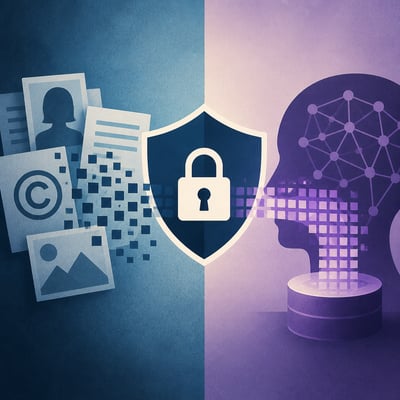
Synthetic data has become a major privacy-preserving technique for AI training, testing, and research, but the same material also highlights leakage, bias, provenance, and governance problems.
Regulators, firms, and researchers are treating privacy controls as a core requirement rather than an add-on, especially in generative AI and regulated sectors.
Looking Back
329 Day Timeline
Aug 27 '25
Oct 22 '25
Dec 10 '25
Feb 4 '26
Apr 1 '26
May 20 '26
Jul 15 '26
All Articles21 articles
Additional
7/21/2026 • Privacy Technology & AI • General
5/28/2026 • Privacy Technology & AI • General
2/11/2026 • Privacy Technology & AI • General
3/5/2026 • Privacy Technology & AI • General
9/3/2025 • Privacy Technology & AI • General
3/25/2026 • Global Privacy & Cross-Border Data Flows • General
4/10/2026 • Privacy Technology & AI • General
4/6/2026 • Privacy Technology & AI • General
3/13/2026 • Privacy Technology & AI • General
3/10/2026 • Privacy Technology & AI • General
2/23/2026 • Privacy Technology & AI • General
2/20/2026 • Privacy Technology & AI • General
2/20/2026 • Privacy Technology & AI • General
2/19/2026 • Privacy Technology & AI • General
3/18/2026 • Privacy Technology & AI • General
2/26/2026 • Privacy Technology & AI • General
2/12/2026 • Privacy Technology & AI • General
2/25/2026 • Privacy Technology & AI • General