
 AI Governance
 Data Centers
 Drones
 Climate
 Privacy
 Bob Dylan

AI Governance: Featured Story
Coverage from Sanluisobispo, Idaho Statesman, and others
Scott Bessent Warns Fed Against Over-Tightening
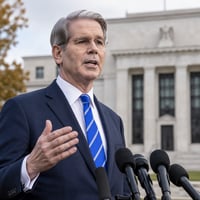
Treasury Secretary Scott Bessent warned that another large Federal Reserve rate increase could compound already-tight financial conditions, as policymakers weigh their December decision. He described hawkish Fed signals and investor concerns—including election-related uncertainty about AI oversight—as factors in a technology-stock sell-off. Fed officials and market analysts differ on the need and scale of further rate increases, and no December decision has yet been made.
If you read one thing
The master article lays out Bessent’s warning, the case for further rate increases, and the unresolved December decision alongside the market context.
The Fed’s December decision remains unresolved. Coverage describes pressure both to raise rates and to avoid over-tightening; Bessent’s account of the market sell-off and AI-policy worries is one perspective, not an established single cause.
Bessent said hawkish Fed signals and already-tight financial conditions contributed to market strain, and warned that another large increase could make conditions worse. He has not specified what decision he wants the Fed to make.
The case for further increases remains active: Fed Governor Christopher Waller said a half-point move should be considered, and two officials dissented in favor of a hike at the October hold. Bank of America and JPMorgan also expected increases, though their forecasts differed on the path.
The articles report no December decision yet. The Fed had held its target range at 3.75% to 4% in October after raising rates in September, leaving the scale and timing of any further increase open.
Bessent and a technology analyst associated some technology-stock losses with investor concerns about potential AI and data-center oversight, but the coverage identifies no specific bill or rule. Separately, Richmond Fed President Thomas Barkin said AI infrastructure spending was adding to near-term inflationary demand.
50 basis points
Fed Governor Christopher Waller said a hike of this size should be considered at the December meeting; no decision had been made.
3.75% to 4%
The Fed’s target interest-rate range after its quarter-point increase in September.
10-2
The vote tally when the Fed held rates in October; two officials dissented in favor of a hike.
0.4%
October consumer prices rose by this amount, above forecasts, according to the article.
Above 85%
The CME FedWatch tool put the probability of at least a quarter-point December rate hike above this level.
5.52% and 4.36%
Two days after the election, the Nasdaq fell 5.52% and the S&P 500 fell 4.36%, as investors weighed concerns including tighter AI regulation.
Contested Issue
Whether the Fed should make a large rate increase in December
Treasury Secretary Scott Bessent warned that another large increase could compound already-tight financial conditions and argued against hiking too much into an easing energy-supply shock.
Fed Governor Christopher Waller argued that a half-point increase should be considered; he also warned that a smaller quarter-point increase could put the Fed’s credibility at risk.
Coverage traces Bessent’s position from an earlier statement that further hikes would not necessarily be a policy mistake to later arguments against a large increase: he said the Fed should look ahead to easing supply pressures, then warned that another big hike could add to already-tight financial conditions. Reporting also described a divided policy debate: Fed Governor Christopher Waller and some other officials favored further tightening, while Bank of America and JPMorgan forecasts pointed to different possible paths. Bessent connected the market sell-off partly to hawkish Fed signals and investor concerns about AI oversight; the coverage also noted that AI infrastructure demand could add to inflation. The December decision remained pending in the reporting.