
 AI Governance
 Data Centers
 Drones
 Climate
 Privacy
 Bob Dylan

AI Governance
—
Today and Yesterday
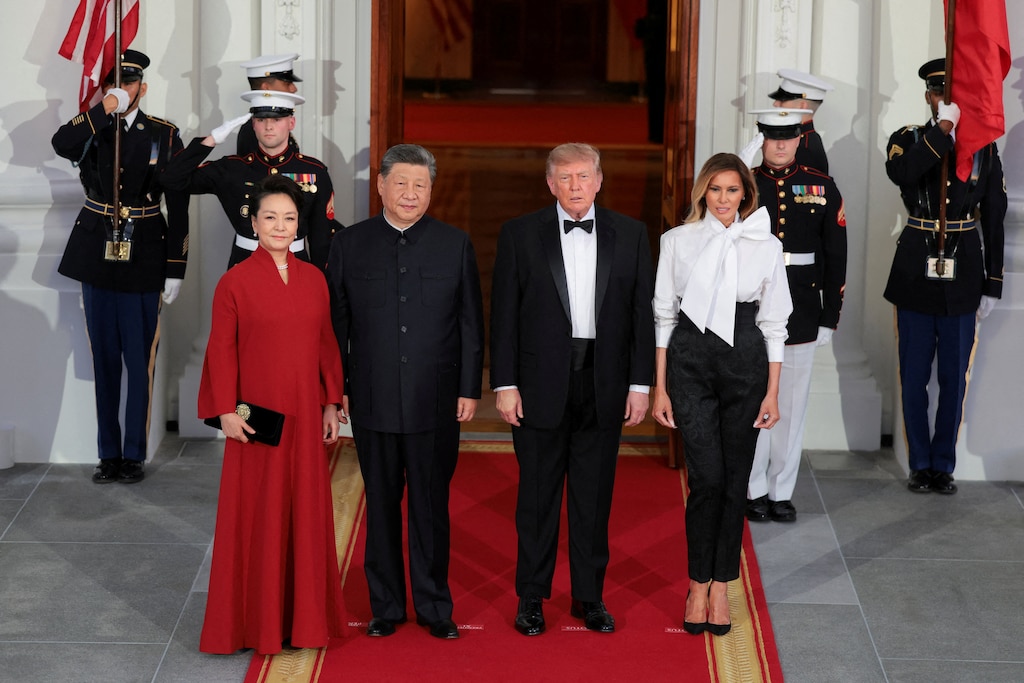 In 2025-2026, US and Chinese policymakers and companies increasingly treated AI infrastructure, export controls, and superintelligence expectations as national security issues in the United States and China.
 From September 1, 2025, Chinese Mainland rules require covered AI-content services to apply visible labels and file metadata, while Hong Kong relies on guidance.
 The analysis recommends that Australian defence organisations test and certify interactions among AI agents as military systems adopt multi-agent decision support.
 Poland's Ministry of National Defence signed an agreement with SATIM on November 25 in Białobrzegi to adapt AI to POLSARIS radar imagery and train military analysts.
 European policymakers debated the case for a homegrown frontier AI model in Berlin on November 26, 2026, with the analysis urging targeted investment rather than an automatic publicly financed race.
Yesterday's Lessons
Based on 27 articles published yesterday in World Economic Forum, The Strategist, and others.
The prior picture remains largely intact: jurisdiction-specific rules, existing privacy obligations and infrastructure controls shape AI deployment, while effective oversight of autonomous systems remains uncertain. Poland's reported military AI agreement is a concrete operational advance, but the day's evidence does not establish a broader regulatory shift. The key uncertainty is whether formal requirements and recommended safeguards translate into effective implementation.
Fresh analysis and great links every morning.
Evolving Issues
 288 Articles
 102 Articles
 35 Articles
 92 Articles
 33 Articles
 10 Articles
Who & What