
 AI Governance
 Data Centers
 Drones
 Climate
 Privacy
 2026 Maine Senate
 Bob Dylan
AI Donors Turn Primaries Into Battlegrounds
Coverage from ClickOnDetroit, Vox, and others
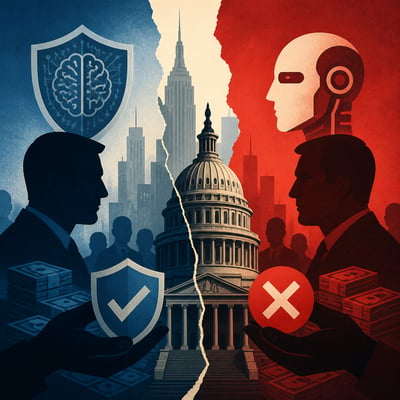
AI companies, investors, and aligned political groups are spending heavily in U.
S. primary elections to influence candidates and policy debates over AI regulation. The most prominent fight centers on New York Assemblyman Alex Bores and the state’s RAISE Act, which imposes safety reporting and incident-disclosure duties on major frontier AI developers, while related spending has shaped Utah races around safeguards, infrastructure, and federal oversight. The contests show that AI regulation is becoming an electoral issue and that disagreements within the technology industry increasingly involve whether states or Congress should set the rules.
The story now specifies that the New York fight is centered on Manhattan’s 12th Congressional District and clarifies the RAISE Act’s disclosure requirements, making the electoral and policy stakes more concrete. It also sharpens the industry split by identifying the groups backing stronger safeguards versus nationally coordinated or less restrictive rules.
The story has broadened from a New York proxy fight over the RAISE Act into a wider multi-state pattern of AI industry spending in primary races. Utah now joins New York as evidence that AI donors are using campaign money to shape not just state safety rules, but the broader balance between state regulation and federal preemption.