
 AI Governance
 Data Centers
 Drones
 Climate
 Privacy
 2026 Maine Senate
 Bob Dylan
Last Update: 09/29/2026 at 4:34 PM EST
Worker AI Governance Push Targets Workplace AI Rollouts
Coverage from Aicerts News, Brookings, and others
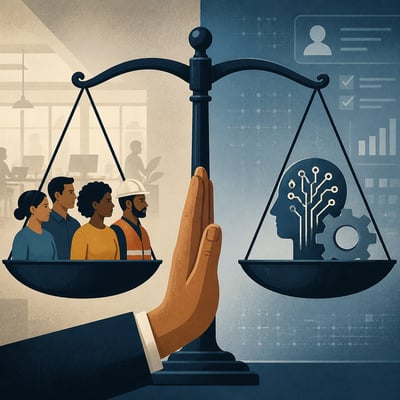
AI is moving quickly from experimentation into everyday human-resources work, workplace management, and federal agency operations, while formal oversight and worker protections remain uneven.
Employers are expanding policies and review processes, but unions, researchers, and policymakers are pressing for consultation, human oversight, transparency, and support for workers affected by automation. The central tension is shifting from whether AI should be used to how deployment can proceed without creating unmanaged discrimination, labor-relations, legal, or workforce-transition risks.
Looking Back
62 Day Timeline
May 28
Jun 7
Jun 17
Jun 27
Jul 7
Jul 17
Jul 27
All Articles8 articles
Additional
6/25/2026 • Public Procurement & Government Deployment • General
7/28/2026 • Corporate AI Governance • General
7/24/2026 • Legislation & Regulatory Policy • General
7/13/2026 • Legislation & Regulatory Policy • General
7/13/2026 • Corporate AI Governance • General
5/28/2026 • Corporate AI Governance • General