
 AI Governance
 Data Centers
 Drones
 Climate
 Privacy
 2026 Maine Senate
 Bob Dylan
Ocean Carbon Removal Faces Testing Limits
Coverage from The Conversation, Phys.org, and others
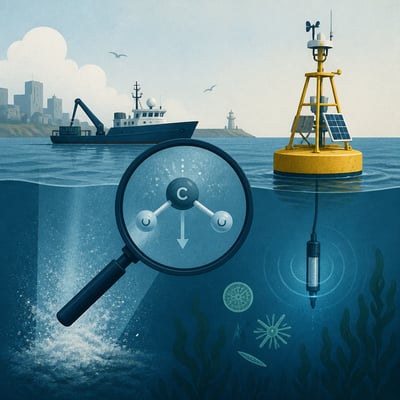
Marine carbon dioxide removal is moving from laboratory research toward small coastal and offshore trials that test whether the ocean can absorb additional carbon without unacceptable ecological or chemical effects.
Projects involving olivine, alkaline minerals, and sinking biomass are emphasizing measurement, storage durability, and ecosystem monitoring, while early findings also reveal important limits and unresolved risks. The evidence remains too limited to establish safe, durable, or scalable deployment.
The story is now framed more sharply around verifiable, durable carbon removal and the conditions for approval or scaling, rather than just experimental feasibility. It also adds a new market dimension: buyer pull is weakening as Microsoft pauses carbon-removal purchases.
The story has shifted from general concerns about marine carbon removal to a clearer emphasis on monitored field testing and what those tests are now trying to prove: not just feasibility, but whether additional removal can be measured and stored durably without triggering chemical or ecosystem harm. The new version also sharpens the risk picture by adding methane, oxygen, seafloor, and fisheries concerns around biomass sinking.