Last Update: 08/01/2026 at 1:00 PM EST

Electrification Reshapes Clean Energy Transition

Coverage from World Economic Forum, The Guardian, and others

Articles

15

Active Days

193

The Topic

Electrification Reshapes Clean Energy Transition topic image

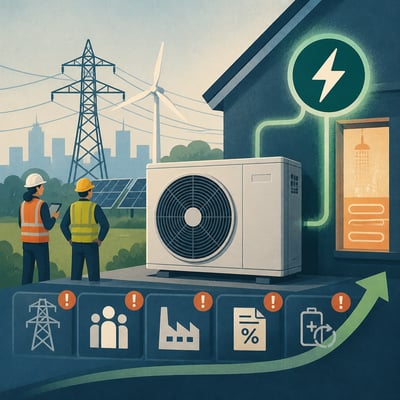
Electrification is moving from a power-sector goal toward a broader strategy for reducing fossil-fuel dependence in buildings, transport, industry, and infrastructure. The material emphasizes that electric technologies can improve energy efficiency and reduce exposure to volatile imported fuel markets, but faster progress will require cheaper electricity, stronger grids, flexible demand, targeted finance, and continued clean-power growth. Europe faces particular pressure to convert its clean electricity gains into wider use of electric vehicles, heat pumps, and industrial equipment, while China’s next phase of emissions reduction increasingly depends on electrifying heavy industry.

First Article: 01/01/00

Latest Article: 07/17/26

Summary

  • The global electricity share of final energy use remains about one-fifth, with proposed ambitions to reach 35% by 2035.
  • The IEA estimates that reaching the EU’s 2030 electrification goal would add about 600 TWh of electricity demand across industry, buildings, and transport.
  • Europe has expanded clean power rapidly but has been slower to replace gas heating, petrol vehicles, and other fuel-burning equipment.
  • Heat pumps, electric vehicles, industrial electric heat, storage, smart charging, and flexible tariffs are recurring solutions across the material.
  • China’s emissions challenge is shifting toward steel, cement, and chemicals, where electrification and renewable hydrogen depend on abundant, flexible clean electricity.
  • Grid constraints, high electricity taxes, and exposure to LNG and fuel-price shocks could slow the transition.

History

07/22/2026

The story shifts from a broad case for electrification to a more specific policy and infrastructure problem: the limiting factors are now framed as electricity affordability, grid constraints, and fuel-price exposure. It also adds clearer quantitative benchmarks for the EU and global electrification targets.

07/22/2026

The story is reframed more explicitly around electrification as a multi-sector demand and infrastructure challenge, not just a clean-power expansion story. It also adds clearer emphasis on heat pumps, electric vehicles, and grid-flexibility requirements as the main bottlenecks to progress.

Full History

Featured

Timeline: 193 Days

Jan 6Feb 17Mar 17Apr 28May 26Jul 7

Additional Articles

⭐⭐⭐⭐⭐⭐⭐⭐

MIT CS301-01-1900
COP30 in Belem, Brazil highlights electrification and decarbonization strategies including heat pump adoption

⭐⭐⭐⭐⭐

GMK Centre06-20-2026
Kevin Tu and Agora Energy China argue heavy industry decarbonization in China requires renewable hydrogen, electric heating, and grid flexibility for emissions reductions through 2035.
Jan Rosenow Substack / Jan Rosenow06-14-2026
COP31 hosts call for electricity to meet 35% of final energy demand by 2035, up from 21% in 2024, stressing clean power and faster electrification in heating, industry, and transport.
Jan Rosenow / Jan Rosenow05-24-2026
A Strait of Hormuz closure modeled by Sebastian Zwickl-Bernhard and colleagues shows limited EU LNG-price protection from demand cuts, supporting faster electrification in Europe, France, and Canada.
Ember Energy06-10-2026
Ember recommends Europe accelerate electrification and scale domestic clean-tech manufacturing to reduce fossil import vulnerability and trade-disruption risk by 2030.
Allianz.com01-30-2026
Allianz Investment Management outlines a two decade strategy to fund grid and storage assets across Europe to enable electrification and decarbonization.
We Mean Business Coalition / Brandon Pytel01-14-2026
The We Mean Business Coalition, through Director of Energy Molly Walton, outlines in 2026 how scaling heat pumps within broader electrification strategies can cut costs and fossil fuel use worldwide.
Jan Rosenow / Jan Rosenow06-21-2026
Europe’s energy transition analysis links efficiency gains since 2000 with heat pumps and EVs to reduce fossil imports and future energy-crisis exposure.
Janrosenow / Jan Rosenow05-31-2026
High Voltage analysis estimates industrial electrification can reach about half of industry final energy by 2050, depending on electricity pricing and enabling industrial policy in Europe and globally.

⭐⭐⭐

Joint Research Centre07-17-2026
JRC research in the 2020s links EU energy resilience to electrification, renewables, and grid expansion to cut fossil fuel import dependence.
Economist01-01-1900
Global businesses are expanding electrification, including heat pumps for heating and cooling, while grid investment and workforce constraints determine rollout pace.

⭐️⭐️

Asme01-01-1900
ASME energy transformation coverage highlights heat pumps as a policy linked approach to electrification worldwide in the 2020s.