
 AI Governance
 Data Centers
 Drones
 Climate
 Privacy
 2026 Maine Senate
 Bob Dylan
Carbon Capture Projects Face Cost Tests
Coverage from Global Renewable News, ClearBlue Markets, and others
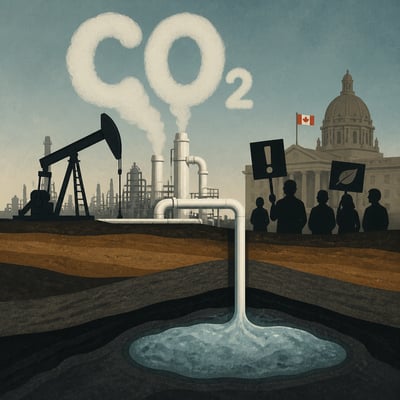
Carbon capture and storage is being advanced as a way to reduce industrial emissions, with Canada’s Pathways project serving as a central test of whether the technology can support Alberta’s oil sands while meeting climate goals.
The project’s expected start date, capture volume and cost have worsened from earlier plans, increasing reliance on public incentives and carbon-credit revenues. Across Canada and the United States, proposed facilities also face questions about commercial performance, storage integrity, community consent and whether CCS reduces emissions or enables continued fossil fuel production.
The story now places greater emphasis on CCS economics and policy support, while broadening from an Alberta oilsands debate to a wider North American CCS controversy. New attention to U.S. projects and offshore storage adds regulatory and liability uncertainties beyond the original Pathways-centered framing.
The biggest update is that Pathways looks materially smaller, later, and more expensive than before: its first phase is now framed as about 6 million tonnes by 2035, with total costs rising sharply. The story also sharpens around policy support and carbon-market design as the key determinants of whether CCS projects can still pencil out.