
 AI Governance
 Data Centers
 Drones
 Climate
 Privacy
 2026 Maine Senate
 Bob Dylan
Carbon Removal Faces a Major Scaling Gap
Coverage from Heatmap, Carbon Brief, and others
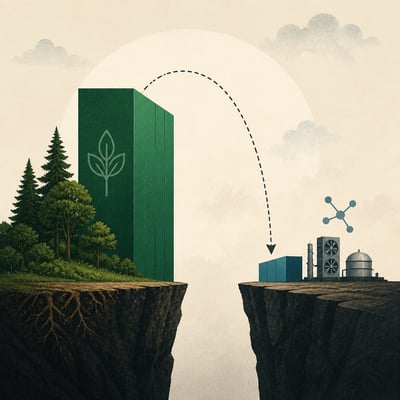
Carbon dioxide removal is expanding but remains far below the scale modeled in pathways that limit warming to 1.
5C. Current removals are about 2.2 billion tonnes of CO2 per year, overwhelmingly from land-based methods, while the State of CDR assessment indicates roughly 8.8 billion tonnes may be needed annually by 2050 under high-ambition pathways. Researchers stress that removal must supplement steep emissions cuts, while questions about effectiveness, durability, environmental impacts, policy support, and demand remain unresolved.
The story is reframed around a more explicit scale mismatch: current carbon removal is quantified against a much larger 2050 requirement, and the emphasis shifts toward unresolved governance, durability, and demand constraints rather than just a general shortfall. It also adds a clearer policy and stakeholder dimension, especially the role of governments, the EU, and land-affected communities.
The update sharpens the market-side story: Microsoft’s outsized role is now explicit, and its pause in new purchases signals a narrower procurement base than before. It also reframes the gap as not just under-scaling, but an active risk that future climate plans are counting on carbon removal to do more than it can credibly deliver.