
 AI Governance
 Data Centers
 Drones
 Climate
 Privacy
 2026 Maine Senate
 Bob Dylan
Forest Carbon Credits Face Rising Risks
Coverage from Nature, EurekAlert!, and others
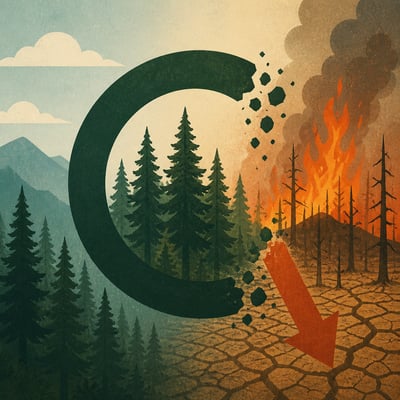
Research and policy debate are exposing weaknesses in forest-based carbon credits, including underestimated wildfire, drought, and insect risks, limited ecological gains from some avoided-deforestation projects, and disputes over additionality rules.
In the United States, one study found that current buffer reserves may need to be roughly six times larger to cover projected carbon losses over a century, with risks concentrated in the West. The findings could affect how forest offsets are designed, verified, priced, and used to support conservation.
The update sharpens the story around a specific quantitative finding: U.S. forest-offset buffer pools may need to be about six times larger, with wildfire and climate risk concentrated in the West. It also slightly reframes the policy debate by tying these findings more directly to how offsets are designed, verified, priced, and used for conservation.
The story has broadened from a U.S.-focused forest-offset durability problem into a wider critique of nature-based carbon credits, adding evidence that some avoided-deforestation projects may not deliver clear ecological benefits and raising new concerns about additionality standards. The policy debate around Indigenous conservation credits introduces a separate credibility risk beyond wildfire-driven buffer undercounting.