Last Update: 08/01/2026 at 1:00 PM EST

China’s Renewable Growth Keeps Coal Central

Coverage from Yahoo News, South China Morning Post, and others

Articles

14

Active Days

88

The Topic

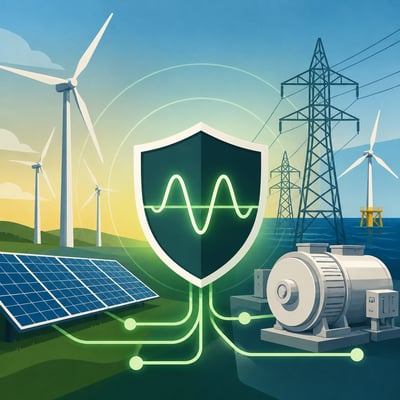
China’s Renewable Growth Keeps Coal Central topic image

China is expanding wind and solar capacity at exceptional speed while retaining coal generation to support grid reliability, industrial growth, and periods of low renewable output. Inner Mongolia illustrates this combined approach through large desert solar and wind projects, coal-fired generation, and long-distance transmission to eastern demand centers. The transition is increasing demand for flexible coal units, storage, transmission upgrades, and grid-stabilization technologies, while the scale and timing of coal’s eventual decline remain uncertain.

First Article: 04/20/26

Latest Article: 07/16/26

Summary

  • China’s installed power capacity approached 4 billion kilowatts in the first quarter of 2026, with solar and wind accounting for nearly half.
  • Inner Mongolia is expanding large wind and solar projects while coal remains the region’s dominant electricity source.
  • The Kubuqi Desert solar corridor is designed to supply major eastern and northern Chinese demand centers through long-distance transmission.
  • Coal units are being refitted to ramp output up or down as renewable generation changes, though the feasibility of operating at very low levels is disputed.
  • Deep-sea offshore wind and high renewable shares are increasing the need for grid-connection and stability equipment.
  • Energy storage, transmission modernization, synchronous condensers, and proposed carbon-capture projects are being developed alongside generation expansion.

History

07/22/2026

The story now has a broader China-wide frame, with new capacity data showing renewables approaching half of installed power capacity while coal is still being adapted rather than displaced. It also adds more concrete technology and infrastructure elements, including offshore-wind grid equipment and synchronous condensers.

07/03/2026

The story has broadened from a set of grid-stabilization demonstrations to a wider regional power-system picture centered on Inner Mongolia. The new emphasis is that renewable growth is substantial, but coal, transmission, and flexibility upgrades still define how the system actually works.

Featured

Timeline: 88 Days

Apr 20May 4May 25Jun 8Jun 29Jul 13

Additional Articles

⭐⭐⭐⭐⭐

U.S. News07-01-2026
Inner Mongolia, China, scales solar and wind capacity while retaining coal for grid reliability and adding flexibility, storage, and carbon capture plans amid rising demand.
Beaumont Enterprise07-02-2026
Inner Mongolia in China balances rapid wind and solar growth with coal backup while exporting electricity eastward through the West-to-East Power Transmission Project in 2025.
Barchart07-02-2026
Inner Mongolia expands solar and wind while coal power remains essential in 2025, sending large electricity volumes through West-to-East transmission to meet growing demand.

⭐⭐⭐

Interesting Engineering / Ameya Paleja06-16-2026
China expanded a 250-mile solar corridor in Kubuqi Desert, Inner Mongolia, aiming for 100 GW solar and 40 billion kWh clean energy for Beijing-Tianjin-Hebei by decade end.
Yahoo Finance07-02-2026
In 2025, Inner Mongolia expanded solar generation in the Kubuqi Desert while continuing coal capacity to back up intermittency and supply electricity to Beijing via West-to-East transmission.
The Gazette07-02-2026
Inner Mongolia, China, is expanding solar and wind and sending power to Beijing while keeping coal generation for backup and adding carbon capture for coal chemicals.
Ktbs07-02-2026
Inner Mongolia expands solar and wind in the Kubuqi Desert while maintaining coal generation and grid upgrades to supply electricity to Beijing and eastern China amid rising AI, EV charging, and manufacturing demand.
Greenfield Reporter07-02-2026
Inner Mongolia expands solar and wind generation while coal remains dispatchable backup to support renewable variability and electricity exports via West-to-East transmission in 2025.
Markets Insider06-11-2026
Civil construction began for a 220 kV Zhangbei grid-forming substation in Zhangjiakou, Hebei, China, linking wind, solar, and storage to improve inverter-based grid stability.
Gadget Review / Annemarije De Boer06-16-2026
SPIC Nei Mongol Energy expanded the Kubuqi Desert solar corridor in Inner Mongolia while building a raised-panel design and mixed generation for grid stability.
Natural News07-16-2026
China in the first quarter reported rising electricity demand while curtailed wind and solar generation reflected inflexible coal dispatch and transmission constraints, increasing fossil reliance.