
 AI Governance
 Data Centers
 Drones
 Climate
 Privacy
 2026 Maine Senate
 Bob Dylan
US Home Cleantech After Tax Credits
Coverage from Jasper Local, Boulder Daily Camera, and others
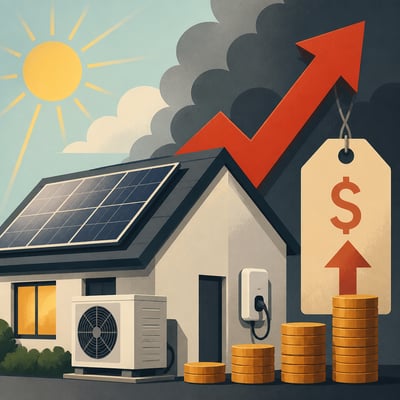
The expiration of major federal consumer clean-energy tax credits is reshaping U.
S. household technology markets, with rooftop solar and related battery installations facing weaker demand, higher consumer costs, and industry restructuring. Electric vehicle spending has also fallen sharply, while heat pump sales have continued to rise despite the loss of incentives. The pattern suggests that policy support remains important for some technologies, but established demand, financing models, and perceived household value are sustaining adoption in others.
The story now adds that EV consumer spending has fallen sharply after the $7,500 federal credit ended, broadening the impact beyond solar and batteries. It also tightens the framing around financing adaptation and clarifies that California and Florida remain exceptions to the national solar downturn.
The story has sharpened from a broad post-credit adjustment into a more specific market divergence: rooftop solar, batteries, and EV demand are weakening sharply, while heat pumps remain comparatively resilient and home-energy value is showing up in resale data. The current version also adds clearer evidence of industry restructuring and state-level divergence, especially in California and Florida.