
 AI Governance
 Data Centers
 Drones
 Climate
 Privacy
 2026 Maine Senate
 Bob Dylan
AI Boom Expands Climate Infrastructure
Coverage from Heatmap, Climateinsiders, and others
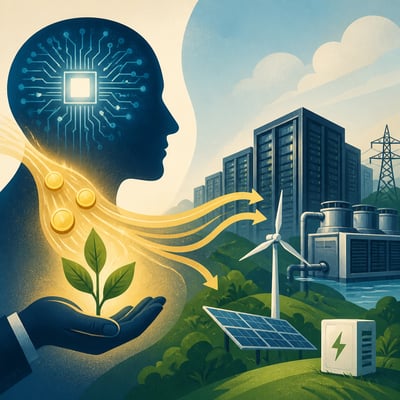
Rapid AI investment is reshaping climate-related capital flows and increasing pressure to secure reliable electricity for data centers.
Technology companies and investors are showing greater interest in nuclear power, geothermal energy, storage, cooling, grid hardware, and other technologies that can support lower-carbon electricity supply. At the same time, new AI wealth and philanthropy may fund high-risk climate projects, while the sector's emissions, water use, materials demand, and infrastructure constraints create unresolved tensions.
The story now places more emphasis on AI infrastructure as a direct electricity and grid-planning problem, with added attention to permitting delays and alternative siting options. It also broadens the climate-finance angle by naming new philanthropic and project-finance actors backing first-of-a-kind solutions.
The story has become more concrete and more expansive: it now centers on a much larger wave of AI infrastructure spending, with specific 2026 budget numbers and a wider set of AI firms shaping electricity demand and climate-tech financing. It also sharpens the tension between climate opportunity and environmental harm by adding explicit scrutiny of AI’s emissions, water, materials, and grid impacts.