
 AI Governance
 Data Centers
 Drones
 Climate
 Privacy
 2026 Maine Senate
 Bob Dylan
Enzyme-Based Carbon Mineralization
Coverage from Heatmap, TSLN.com, and others
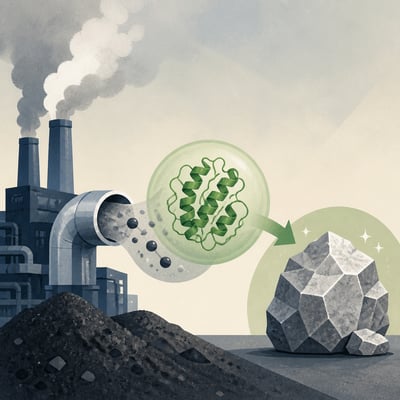
Recent coverage shows active development of enzyme-driven carbon capture and mineralization systems that convert industrial CO2 into stable solids.
The strongest signal is commercialization: South Dakota Mines research is moving toward pilot testing through Carbon EnZero and related spinouts, while Frontier and other buyers are evaluating industrial-waste mineralization as a scalable removal pathway.
The story has broadened from a single South Dakota Mines enzyme-capture effort into a more active commercialization and pilot-testing phase, with Carbon EnZero and Carb-N0 moving toward mobile pilots. It also now includes a second mineralization track—mine waste and steel slag—plus clear market interest from buyers and investors.