
 AI Governance
 Data Centers
 Drones
 Climate
 Privacy
 Bob Dylan

Data Centers: Featured Story
Coverage from Sheppard, Data Center Frontier, and others
Senate Passes BAAJA Permitting Reform Bill
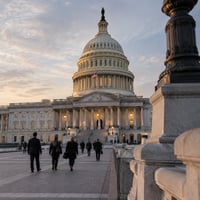
The U.S. Senate passed the Bipartisan American Affordability and Jobs Act of 2026 (BAAJA) by a 62-33 vote, with House consideration expected after the Thanksgiving recess. The bill proposes faster federal permitting and limits on certain project challenges, while directing FERC to revise transmission pricing and requiring new data-center interconnections to provide financial assurances or contributions toward needed infrastructure. The bill is not yet enacted, and House passage remains uncertain.
If you read one thing
A broad legal overview connects the bill’s permitting changes with its proposed data-center power-cost rules and uncertain House path.
Best explainer
It details how the Senate-passed text could affect smaller facilities, utility service terms, transmission pricing, and behind-the-meter resources.
The evidence
NRDC examines permitting and ratepayer provisions critically, explaining which data-center-related costs its analysis says remain uncovered.
BAAJA has passed the Senate but is not enacted; House consideration is expected after the Thanksgiving recess, and passage there is uncertain. Coverage describes potential consequences of the bill rather than changes already in force.
The Senate approved the bill 62–33. Its next legislative step is House consideration, which is not guaranteed.
For newly interconnecting data centers, the bill would require financial assurances or contributions toward necessary infrastructure, provide for continued cost recovery if a customer exits, and direct FERC to revise transmission pricing. The coverage describes protections against certain grid-upgrade costs being shifted to other customers, not a guarantee against every data-center-related energy cost.
The bill would set deadlines for specified federal reviews and generally shorten filing windows for certain project challenges. NRDC warns that other provisions could ease pipeline and data-center development and constrain opportunities to halt or revise projects; these are assessments of proposed provisions, not effects established after enactment.
The Senate-passed text removes an earlier 20-megawatt threshold from its retail ratepayer protections, potentially bringing smaller facilities within scope. States could use service terms or competitive processes to prioritize projects, but the coverage does not establish that any state has adopted such an approach under BAAJA.