
 Climate
 Privacy
 Bob Dylan
 Drones
 Data Centers
 AI Governance
 2026 Maine Senate Race
Ohio Data Centers Face Local Constraints
Coverage from The Repository, WYSO, and others
Articles
5
Active Days
45
The Topic
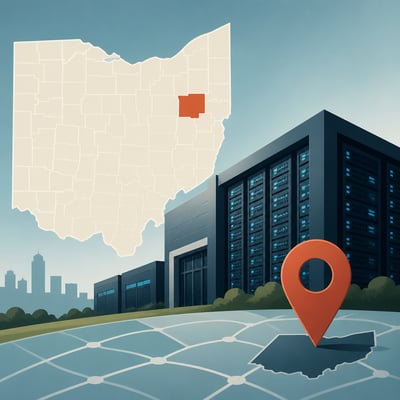
Ohio is seeing a large pipeline of planned data centers, including a 240-megawatt project in Perry Township, a proposed 2-to-3-gigawatt project in Belmont County, and dozens of projects tracked statewide. Local officials and residents are weighing tax revenue, jobs, and regional advantages against demands on electricity, water, farmland, wastewater systems, and municipal authority. The central issue is shifting from whether Ohio can attract projects to whether utilities, governments, and communities can deliver infrastructure and safeguards on the same timeline.
First Article: 05/17/26
Latest Article: 06/30/26
Summary
- Cleanview tracks 18 operating Ohio data centers totaling 558 megawatts and 42 planned projects representing a reported 15,739 megawatts.
- A 240-megawatt data center is under construction in Perry Township, while Bitdeer’s planned Massillon facility is expected to reach 221 megawatts.
- EnergiAcres is planning a phased 2-to-3-gigawatt project in Belmont County, targeting commercial operation in the second quarter of 2029.
- Ohio Chamber analysis projects data centers could account for about 8% of human water consumption in central Ohio by 2030, while stressing the need for better planning and watershed protection.
- Stark County officials are negotiating how water access, tax revenue, property tax abatements, and community mitigation should be handled.
- Project labels remain contested: a former foundry proposal in Wheeling was described by officials as modular manufacturing and technology development rather than a high-impact data center.
History
The story now centers less on Ohio’s overall pipeline and more on execution risk: whether utilities and local governments can actually provide power, water, tax terms, and safeguards on the projects' timelines. It also adds a clearer dispute over project labeling in Wheeling, where officials reject the data center framing.
The story broadened from a Stark County-focused review to a statewide Ohio pipeline of data center development, adding a much larger scale of planned capacity and a new emphasis on systemwide power and water planning. It also introduces several new project-specific and analytical claims, including the Belmont County megaproject and a clearer distinction between cooling water and electricity-generation water demand.
Featured
Timeline: 45 Days
Hover over any logo to see coverage summary, click for full article.