
 Climate
 Privacy
 Bob Dylan
 Drones
 Data Centers
 AI Governance
 2026 Maine Senate Race
Prison Drone Smuggling Faces New Controls
Coverage from The Guardian, ABC News, and others
Articles
20
Active Days
30
The Topic
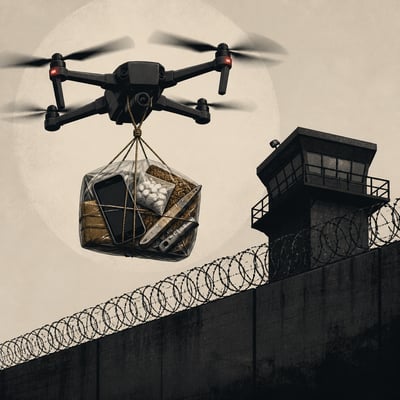
Drones are being used to deliver drugs, mobile phones, tools, and other contraband into prisons in the United Kingdom and United States. Reports describe repeated overnight drops, coordination with inmates, and methods designed to reach individual cells or evade staff. Prison authorities are responding with drone detection, patrol and disruption tactics, criminal investigations, and new restrictions on flights near correctional facilities.
First Article: 06/24/26
Latest Article: 07/23/26
Summary
- HMP Wandsworth recorded 131 drone incursions in 2025, with clear weather linked to frequent overnight delivery attempts.
- Contraband has included cannabis, tobacco, pills, mobile phones, SIM cards, charging equipment, tools, knives, and saw blades.
- A U.S. indictment alleges 12 people used six drones in at least 38 drops targeting 10 federal prisons across eight states.
- Inmates allegedly helped schedule deliveries through illicit cellphones, linking outside pilots with prison-based coordination.
- Wandsworth staff reported fewer incursions after assigning an officer to disrupt drone cameras with a powerful light.
- New York made unauthorized prison overflights and drone delivery of contraband illegal, with the law taking effect August 25, 2026.
- Some prison officials report diversion tactics, including staged emergencies intended to pull counter-drone staff away from perimeters.
History
The main update is a tighter, more specific account of how prison drone-smuggling operations work and how officials are countering them. The U.S. case now says six drones were used, and New York’s prison-overflight ban is described as taking effect in 2026, while Wandsworth reports a partial drop after a light-based disruption tactic.
The story now has a clearer UK dimension and a sharper enforcement picture: repeated drone incursions at HMP Wandsworth and New York’s new ban show the problem is widening into both operational and legislative responses. The U.S. federal case also remains central, with the alleged scheme now framed as organized coordination between inmates and outside operators.
Featured
Timeline: 30 Days
Hover over any logo to see coverage summary, click for full article.