
 Climate
 Privacy
 Bob Dylan
 Drones
 Data Centers
 AI Governance
 2026 Maine Senate Race
Desire — 50 Years of Dramatic Rock
Coverage from Mojo, Dylan Revisited, and others
Articles
35
Active Days
18426
The Topic
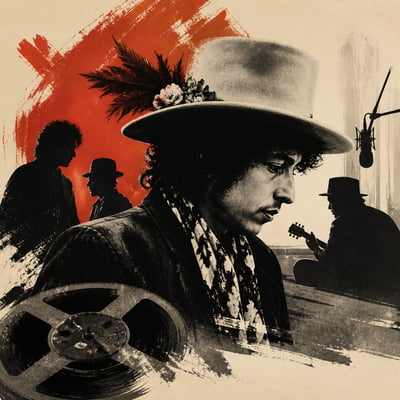
This topic centers on Bob Dylan's album Desire as it is revisited on its 50th anniversary, with attention to the record's collaborative creation, theatrical storytelling, and ties to the Rolling Thunder Revue. The coverage consistently returns to a few defining elements: Jacques Levy's co-writing, Scarlet Rivera's violin, Emmylou Harris's harmonies, and the contrast between public narrative songs like "Hurricane" and private material like "Sara." It matters because Desire is being framed not just as a classic album, but as a distinctive moment when Dylan leaned hardest into character-driven, semi-mythic songwriting and live reinvention.
First Article: 01/05/76
Latest Article: 06/16/26
Summary
- The core subject is the 50th-anniversary reassessment of Desire, especially its place within Dylan's 1970s work.
- Jacques Levy's co-writing is central, with multiple songs built around extended narrative and stage-like storytelling.
- Scarlet Rivera's violin and Emmylou Harris's vocals are repeatedly highlighted as defining the album's sound.
- "Hurricane" and "Sara" anchor the album's range, moving from public protest to intimate confession.
- "Joey" remains the most contested track, often cited as controversial for its portrait of Joey Gallo and its loose relationship to fact.
- Rolling Thunder Revue is a persistent frame, linking the studio album to the live, traveling ensemble around it.
- Some coverage also treats Desire as commercially successful and unusually durable as a live and anniversary performance piece.
History
The story is still about Desire's anniversary reassessment, but the framing has sharpened around its commercial success, unresolved controversy, and a new live 50th-anniversary performance that underscores its continued stage life. The current version also broadens the internal track-level emphasis, especially around "Sara" and the disputed status of "Joey."
The story is still largely the same, but the current version shifts emphasis toward the album’s continuing afterlife through 50th-anniversary retrospectives and live reimaginings. It also reframes Desire more explicitly as a durable creative turn rather than mainly a mid-1970s turning point under review.
Featured
Timeline: 18426 Days
Hover over any logo to see coverage summary, click for full article.
Additional Articles
⭐⭐⭐⭐⭐⭐⭐⭐
⭐⭐⭐⭐⭐
 Christian's Music Musings01-21-2025
⭐⭐⭐
⭐️⭐️
Christian's Music Musings01-03-2026