
 Climate
 Privacy
 Bob Dylan
 Drones
 Data Centers
 AI Governance
 2026 Maine Senate Race
Mixing Up the Medicine Reviewed
Coverage from The Dylan Review, The Sydney Morning Herald, and others
Articles
14
Active Days
5474
The Topic
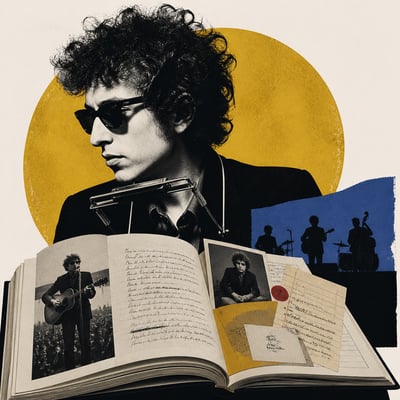
Bob Dylan: Mixing Up the Medicine is a large-format book edited by Mark Davidson and Parker Fishel from holdings of the Bob Dylan Center in Tulsa. It combines photographs, lyric drafts, letters, recordings, concert material, and essays by writers, musicians, and scholars to present a broadly chronological account of Dylan’s work. Reviews agree that the archival material and selected essays can prompt fresh readings of songs and overlooked periods, while differing over whether the book is a definitive history or a richly produced browsing experience.
First Article: 03/16/11
Latest Article: 03/10/26
Summary
- Mixing Up the Medicine draws on the Bob Dylan Center’s Tulsa archives, including lyric drafts, notebooks, letters, photographs, recordings, posters, and tour ephemera.
- The roughly chronological, 600-plus-page volume covers Dylan from his early years through Rough and Rowdy Ways and Shadow Kingdom-era material.
- Thirty, or approximately thirty, contributors provide essays on songs, albums, literary connections, collaborations, and early recordings.
- Several reviews find the strongest essays use manuscripts and rare recordings to reassess works such as Planet Waves, Under the Red Sky, Tangled Up in Blue, and Ballad of a Thin Man.
- The book is widely praised as a tactile, visually rich object suited to selective browsing, although its size and price may limit its audience.
- Critics differ on whether the volume functions as a reliable history, an introduction for newcomers, or an experiential archive showcase.
- The book’s largely celebratory approach is criticized for giving limited attention to failures, controversies, and factual complications.
History
The new version adds more explicit emphasis on the book’s reception: reviewers are now described as split between praise for access and criticism of editorial and design choices. It also reframes the volume more clearly as a curated reading of Dylan’s ongoing revision and reinvention, not just an archive compilation.
The story has been reframed more as a debate over curation and interpretation than as a straightforward archive publication. The current version also sharpens the emphasis on how the book’s design and selective choices shape readers’ understanding of Dylan.
Featured
Timeline: 5474 Days
Hover over any logo to see coverage summary, click for full article.