History
07/23/20260 new articles
The story tightens around a few more clearly characterized exploitation cases, especially Ivanti Sentry backdooring and CISA’s active exploitation directives, while also adding clearer distinction between confirmed exploitation and unconfirmed risk. The framing shifts from a broad roundup of exposed systems to a more cautionary emphasis on verification and patch prioritization.
07/23/20260 new articles
The story is now anchored by specific exploitation cases and affected targets, rather than a general pattern of active vulnerability abuse. It also broadens more clearly into AI workflows and mobile-device compromise, while adding concrete evidence of compromise such as credential theft, backdoors, and likely gateway intrusion.
- Roundcube attacks targeted university mail servers in the United States and Canada.
- Shadowserver warned unpatched Ivanti Sentry systems may already be compromised.
- CISA ordered federal agencies to patch Langflow’s exploited authorization bypass.
- DarkSword chained Apple iOS flaws for device compromise and data theft.
- Threat motives now include cryptocurrency theft and botnet or compute abuse.
07/21/20264 new articles
The story broadens beyond Citrix/Ivanti-style appliance exploitation to include webmail, AI-agent, and espionage-linked targeting, with new evidence that exposed data and public reach are central to the risk. CISA’s urgent patching pattern remains, but the set of affected systems and threat contexts is wider and more varied.
- Zimbra Collaboration Suite and Langflow newly enter the story.
- Roundcube is now linked to espionage-oriented activity.
- Publicly reachable instance counts are highlighted as an exposure amplifier.
- Google TAG and Proofpoint provide new threat reporting.
- University targeting in the US and Canada is newly mentioned.
05/11/2026Topic Formed
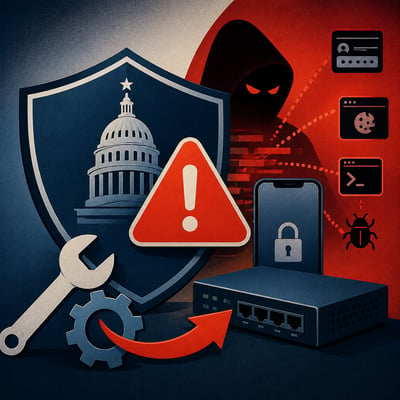
Federal cybersecurity directives are driving rapid patching of actively exploited vulnerabilities in widely deployed appliances and iPhones. The recurring pattern is exposed systems, short remediation deadlines, and attacks that can steal credentials, hijack sessions, or enable remote code execution.

 Climate
 Privacy
 Bob Dylan
 Drones
 Data Centers
 AI Governance
 2026 Maine Senate Race