
 Climate
 Privacy
 Bob Dylan
 Drones
 Data Centers
 AI Governance
 2026 Maine Senate Race
Organizations Tighten Data Breach Defenses
Coverage from World Economic Forum, CX Today, and others
Articles
11
Active Days
167
The Topic
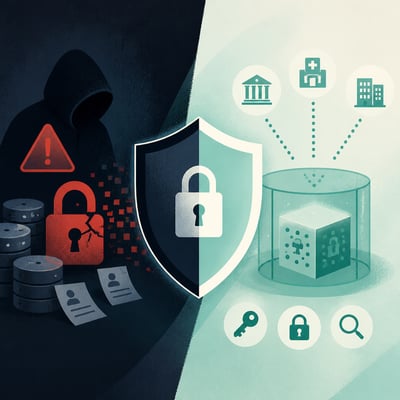
Organizations are being urged to reduce data breach risk through layered controls spanning identity security, vulnerability management, cloud configuration, vendor access, monitoring, response, and recovery. The material also emphasizes minimizing raw personal-data sharing and using privacy-enhancing technologies where collaboration is necessary. The broader significance is that breach management increasingly involves limiting data exposure and exfiltration, communicating clearly with affected customers, and continuously validating that defenses work.
First Article: 01/01/00
Latest Article: 07/21/26
Summary
- Common breach paths include stolen credentials, phishing, unpatched vulnerabilities, cloud and storage misconfigurations, excessive access, insider misuse, and compromised vendors.
- Recommended defenses combine phishing-resistant multifactor authentication, least privilege, patching, segmentation, encryption, monitoring, protected backups, and regular control validation.
- Third-party access and raw-data transfers create additional exposure points, prompting interest in privacy-enhancing technologies and vendor access reviews.
- Data exfiltration can drive substantial financial, legal, and reputational losses beyond the immediate operational disruption of an incident.
- Incident response guidance prioritizes evidence preservation, containment, exposure assessment, remediation, recovery from tested backups, and jurisdiction-specific notification analysis.
- Customer-facing communication should distinguish confirmed from possible exposure and provide timely, practical steps rather than relying solely on legal definitions of a breach.
History
The story shifts from general breach-prevention and response guidance to a broader risk-reduction framework that explicitly includes data minimization, vendor oversight, and privacy-enhancing technologies. It also adds a stronger emphasis on customer communication and on continuously validating that controls actually work.
The story has shifted from broad privacy-risk framing to a more operational breach-response model, emphasizing layered prevention, containment, evidence handling, and jurisdiction-specific notification duties. It also adds a stronger focus on identity-compromise pathways and formal exposure assessment.
Featured
Timeline: 167 Days
Hover over any logo to see coverage summary, click for full article.