
 Climate
 Privacy
 Bob Dylan
 Drones
 Data Centers
 AI Governance
 2026 Maine Senate Race
EU Biometric Border Checks Strain Travel
Coverage from Yahoo, Boston Herald, and others
Articles
25
Active Days
144
The Topic
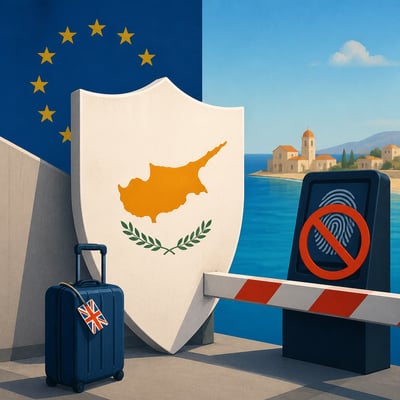
The EU Entry/Exit System is expanding the use of fingerprints, facial images, and biometric verification for non-EU travelers entering and leaving the Schengen area. Airports, airlines, and Channel crossing authorities report delays linked to queue capacity, malfunctioning kiosks, and uneven readiness, while the EU rejects calls for a broad suspension and the UK and France add staff and funding. The Gibraltar-Spain agreement shows the system expanding alongside new cross-border arrangements and wider use of facial-recognition infrastructure.
First Article: 02/23/26
Latest Article: 07/16/26
Summary
- The Entry/Exit System replaces many passport-stamp checks with fingerprints, facial images, and biometric verification for non-EU travelers.
- Airports and Channel crossings have reported long queues, missed connections, and delays linked to limited space, faulty kiosks, and high seasonal traffic.
- The EU has rejected a broad suspension, identifying a limited number of difficult locations while allowing local temporary suspensions under existing rules.
- The UK committed more than £20 million to increase border-processing capacity, while France offered additional officers at Dover, Folkestone, and London St Pancras.
- Gibraltar’s new arrangement with Spain removes the physical border fence while retaining Schengen entry and exit checks and biometric processing for arrivals from outside Schengen.
- Gibraltar is also expanding live facial recognition, CCTV, policing, customs, and Coast Guard resources at entry points.
History
The main change is a tighter operational framing: the rollout is now described as moving into active biometric verification, with queues and equipment failures—not just staffing gaps—driving disruption. Gibraltar’s arrangement is also reframed as part of a broader expansion of biometric infrastructure at cross-border entry points.
The biggest change is that border friction has become more operationally concrete: specific Channel and Gibraltar responses now include extra staffing, funding, and temporary manual workarounds rather than any broad pause to the EU system. Gibraltar also moved from being a separate biometric-border case to a more significant treaty-driven redesign of its frontier with Spain.
Featured
Timeline: 144 Days
Hover over any logo to see coverage summary, click for full article.