
 Climate
 Privacy
 Bob Dylan
 Drones
 Data Centers
 AI Governance
 2026 Maine Senate Race
Facial Recognition Smart Locks
Coverage from The Verge, CNET, and others
Articles
7
Active Days
66
The Topic
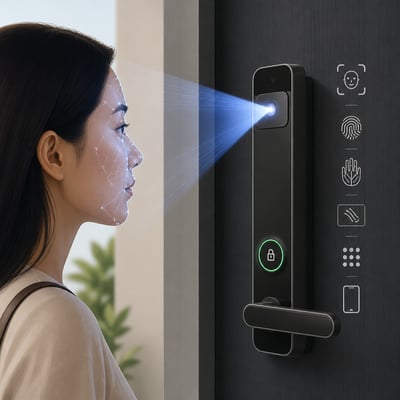
Consumer smart-lock makers are pushing facial recognition and other biometrics into home access products, with a strong emphasis on on-device processing, local storage, and spoof resistance. The main privacy issue is not cloud surveillance alone, but the permanence and custody of biometric data used for everyday entry.
First Article: 05/15/26
Latest Article: 07/19/26
Summary
- Facial recognition has moved from novelty to a marketed home-security feature in smart locks.
- Most products emphasize on-device processing and local biometric storage to reduce cloud exposure.
- Vendors frame depth sensing, infrared mapping, and liveness checks as defenses against simple spoofing.
- Biometric convenience comes with a durable privacy problem: face and palm data are hard to revoke or replace after compromise.
- Several devices bundle face recognition with fallback methods such as PINs, fingerprints, NFC, and physical keys.
- The same product category now includes face, palm-vein, and fingerprint options, suggesting a broader biometric access shift rather than a single-method trend.
- The evidence is concentrated in a small set of consumer products, so the signal is strong but narrowly focused on home access hardware.
History
The story shifts from a report on specific smart-lock launches to a broader framing of biometric home access as a privacy problem centered on irreversible face and palm data. It also adds review coverage that reframes the issue around everyday custody of biometric data, not just cloud avoidance.
Featured
Timeline: 66 Days
Hover over any logo to see coverage summary, click for full article.