
 Climate
 Privacy
 Bob Dylan
 Drones
 Data Centers
 AI Governance
 2026 Maine Senate Race
Jacksonville Facial Recognition Arrest Errors
Coverage from Yahoo, Futurism, and others
Articles
19
Active Days
153
The Topic
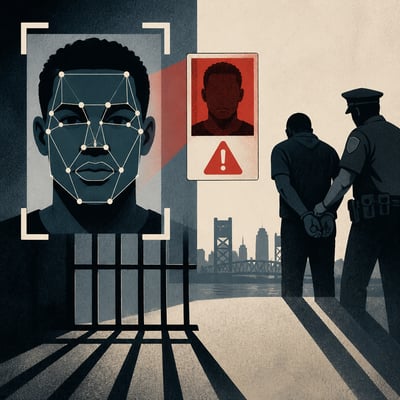
Law-enforcement use of facial recognition is under scrutiny after Jacksonville-area investigators used an automated match in cases involving Jalil Richardson and Robert Dillon, both of whom said they were wrongly arrested. Richardson was detained for weeks before prosecutors dropped the case after work records supported his alibi, while Dillon has sued Jacksonville-area police seeking accountability and policy changes. The cases highlight the practical consequences of treating facial recognition results and related identifications as sufficient without timely independent verification.
First Article: 02/18/26
Latest Article: 07/20/26
Summary
- Jalil Richardson was arrested in North Carolina and transferred to Florida after investigators linked him to a Jacksonville vehicle-theft case through facial recognition and other evidence.
- Employment records placed Richardson hundreds of miles away when the alleged crime occurred, and prosecutors later dropped the charges.
- Robert Dillon filed a lawsuit against Jacksonville Beach police and the Jacksonville Sheriff's Office over an alleged facial-recognition-based wrongful arrest.
- Both cases involve allegations that investigators did not adequately verify location, identity, or other exculpatory evidence before seeking warrants.
- The Jacksonville Sheriff's Office says facial recognition was one investigative tool among several, with witness identifications and other information also supporting the warrants.
- A separate New Jersey case shows facial recognition can contribute to identifying a robbery suspect who later pleaded guilty, but it does not resolve concerns about safeguards in disputed cases.
History
The current version tightens the framing around how facial-recognition matches were used in the Jacksonville arrests, emphasizing that investigators relied on them before timely independent verification. It also clarifies Dillon’s lawsuit targets both Jacksonville Beach police and the Sheriff’s Office.
The story has shifted from a broader pattern of disputed Jacksonville facial-recognition arrests to a more specific accountability frame, emphasizing Richardson's dismissed case, Dillon's lawsuit, and calls for stronger verification before warrants. It also adds a contrasting example where facial recognition helped correctly identify a suspect, making the technology's outcomes appear more mixed.
Featured
Timeline: 153 Days
Hover over any logo to see coverage summary, click for full article.