
 Climate
 Privacy
 Bob Dylan
 Drones
 Data Centers
 AI Governance
 2026 Maine Senate Race
Healthcare Providers Face Breach Lawsuits
Coverage from Bloomberg Law, Law360, and others
Articles
14
Active Days
94
The Topic
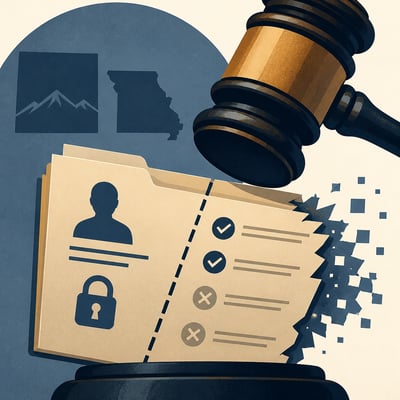
U.S. courts are allowing parts of several proposed class actions tied to healthcare and other data breaches to proceed while dismissing or narrowing other claims. The cases involve alleged failures to protect patient or employee information, with disputes focusing on negligence, contractual duties, privacy harms, standing, and causation. The rulings show that breach litigation is advancing unevenly, with plaintiffs often retaining some legal theories even when broader allegations are rejected.
First Article: 04/14/26
Latest Article: 07/16/26
Summary
- Federal courts are permitting portions of proposed class actions tied to breaches at Conceptions Reproductive Associates, Oracle Health, and Mid-America Physician Services to continue.
- Claims surviving motions to dismiss commonly include breach of contract, breach of fiduciary duty, unjust enrichment, declaratory relief, or negligence, depending on the case.
- Courts are also dismissing or narrowing privacy, negligence, consumer-protection, and fiduciary claims where the pleadings were considered insufficient.
- Plaintiffs must connect the breach to concrete harm and establish standing, while defendants are contesting injury and causation at the early litigation stage.
- The underlying incidents affected sensitive patient or employee information and occurred primarily in 2024 and 2025.
- Rulings from Colorado and Missouri illustrate varied outcomes rather than a uniform standard for breach-related class actions.
History
The story has narrowed from a broad set of healthcare privacy suits to specific 2024-2025 breach cases in Colorado and Missouri, where courts are still splitting claims rather than rejecting the litigation wholesale. The newest development is that proposed class actions against Conceptions Reproductive Associates, Oracle Health, and Mid-America Physician Services are advancing in part, with concrete-harm and standing requirements emerging as the main battlegrounds.
The story broadens from a narrower set of healthcare breach rulings into a larger, more diverse litigation wave that now includes standing, causation, venue, and damages fights across several jurisdictions. A notable new development is the addition of a Valparaiso University case, showing the pattern extends beyond traditional healthcare providers.
Featured
Timeline: 94 Days
Hover over any logo to see coverage summary, click for full article.