
 Climate
 Privacy
 Bob Dylan
 Drones
 Data Centers
 AI Governance
 2026 Maine Senate Race
Last Update: 08/01/2026 at 3:01 PM EST
Mobile Location Tracking Limits
Coverage from Forbes, Consumer Reports, and others
Articles
3
Active Days
2936
The Topic
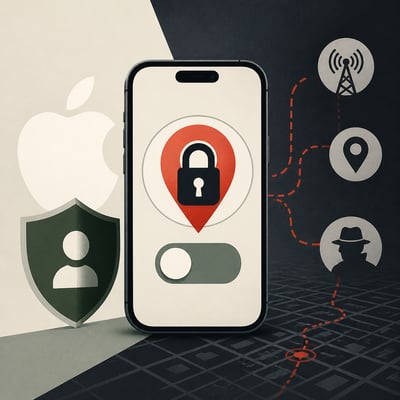
Smartphones still expose location and activity data through apps, ad systems, wireless signals, and network metadata, while user controls and security tools can reduce but not fully stop tracking. The material emphasizes practical privacy settings, residual inference pathways, and the limits of technical self-protection against brokers, spyware, and legal access.
First Article: 01/24/18
Latest Article: 02/06/26
Summary
- Smartphones remain a persistent location-tracking surface because GPS, app permissions, and network signals can all reveal where a device is.
- Privacy controls can reduce exposure, but they do not fully stop inference through IP addresses, Wi-Fi, Bluetooth, or carrier data.
- App, ad-tech, and data-broker ecosystems remain important paths for collecting and reselling location-related data.
- Security guidance increasingly links privacy protection with anti-spyware and device-hardening measures such as updates, VPNs, antivirus tools, and SIM locks.
- A recurring tradeoff is that stronger privacy settings can weaken convenience features like navigation, app personalization, and remote device finding.
- The current signal is practical and operational rather than regulatory: the emphasis is on user controls and residual tracking risk, not new law or enforcement.
History
This topic is new, but as new articles are added to it this area will summarize shifts, changes and expansions of the issues.
Featured
02-06-2026
Apple limits precise location data shared with cell providers in the United States in late January 2026 to reduce exposure to advertisers and investigators.
01-24-2018
Consumers limit location data now on Android and iPhone devices to reduce tracking.
11-12-2024
Panda Security describes, in a 2020s online guide, how smartphone owners worldwide can curb location tracking and spyware-based monitoring through configuration changes and security tools.
Timeline: 2936 Days
Hover over any logo to see coverage summary, click for full article.