
 AI Governance
 Data Centers
 Drones
 Climate
 Privacy
 2026 Maine Senate
 Bob Dylan
US Restricts Anthropic Models
Coverage from HNGN, American Banker, and others
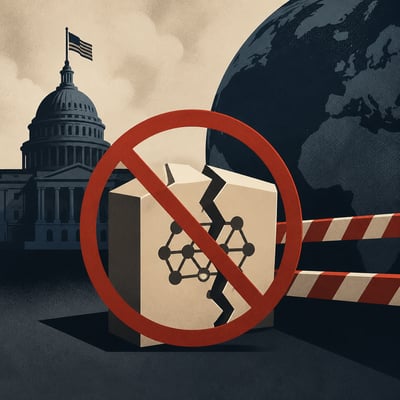
The U.
S. Commerce Department directed Anthropic to restrict foreign-national access to its newly released Fable 5 and Mythos 5 models, citing national-security concerns linked to alleged bypasses of their safety controls and cyber capabilities. Because Anthropic could not reliably separate affected users, it disabled both models worldwide while leaving its other models available. Anthropic disputes the government’s characterization of the vulnerability and is negotiating with officials over technical review, remediation, and possible restoration of access.
The update sharpens the government’s rationale and the scope of the restriction: Commerce now explicitly tied the order to alleged cybersecurity-related jailbreaks and foreign-national access, while Anthropic says the issue is narrow and may also affect other public models. The story also adds that talks are now centered on technical review and possible restoration, with Anthropic’s other models still available.
The story is largely unchanged, but the current version sharpens the enforcement angle: the action is now framed explicitly as restricting foreign-national access under export-control authority, rather than a broader model-wide ban. It also adds that negotiations are continuing while the government has not disclosed its technical evidence.