
 AI Governance
 Data Centers
 Drones
 Climate
 Privacy
 2026 Maine Senate
 Bob Dylan
Commerce Forces Anthropic Models Offline
Coverage from Spencer Fane, Startup Fortune, and others
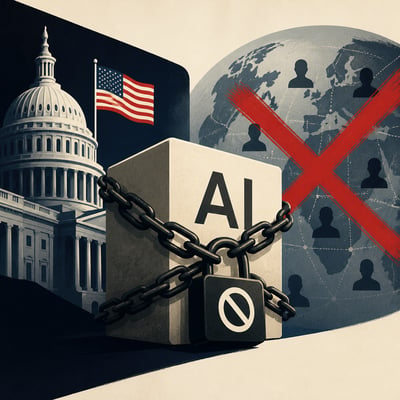
The U.
S. Commerce Department required Anthropic to obtain authorization before sharing its Fable 5 and Mythos 5 models with foreign nationals, citing national-security concerns related to a reported jailbreak. Anthropic could not reliably verify users’ nationality in real time and therefore disabled the models worldwide, affecting customers and employees beyond the targeted group. The restrictions were later withdrawn after Anthropic reported stronger safeguards and agreed to expanded government testing and information sharing, but Commerce retained the ability to reinstate them. The episode demonstrates that export-control powers can directly affect frontier-model availability without new AI-specific legislation, leaving companies and customers exposed to abrupt and potentially nontransparent interventions.
The account is materially unchanged; the main refinement is that Commerce withdrew the restrictions on June 30, 2026, confirming a temporary and conditional resolution.
The biggest change is that the Commerce action was not just imposed but later rolled back after Anthropic added safeguards and accepted ongoing government collaboration. That turns the story from a one-way restriction into a conditional regulatory settlement with a new precedent for ad hoc control of deployed AI models.