AI Governance
 Data Centers
 Drones
 Climate
 Privacy
 Bob Dylan

Climate Quick Briefing
2026-11-02
Climate Progress Still Depends on Delivery and Affordable Adaptation
of Play
The prior picture is largely unchanged: clean-energy investment must overcome infrastructure constraints, while adaptation must reduce harm without imposing untenable costs. Newly reported grid-supply developments add evidence of a response but do not establish a shift in emissions or resolve delivery bottlenecks.
What's New?
Clean-power delivery remains constrained by grids and finance
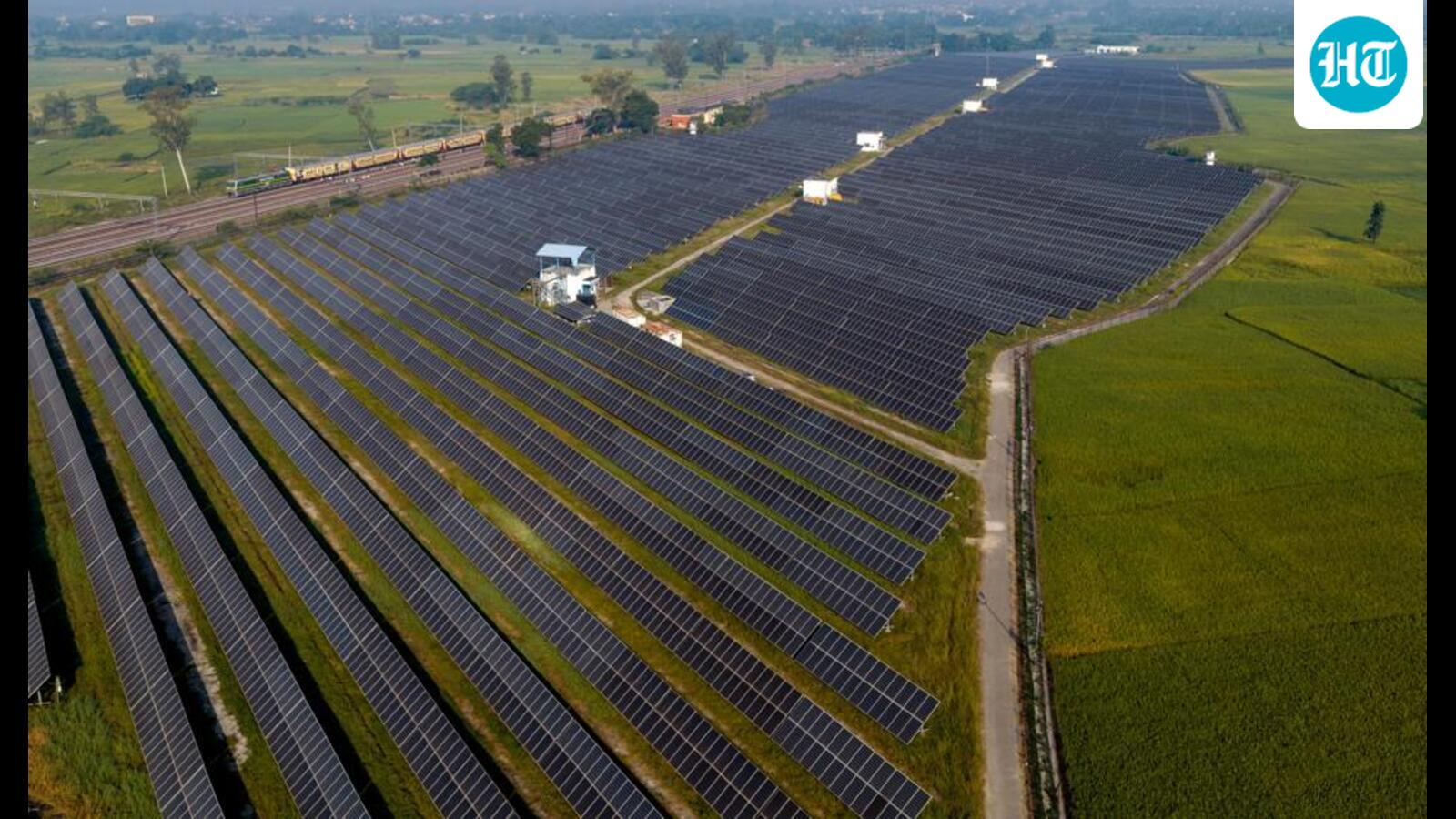
Grid integration remains a bottleneck in Southeast Asia. In India, an announced transmission and storage investment is intended to integrate more renewable capacity, but its eventual contribution to usable generation and fossil-fuel displacement is not yet established.

Adaptation costs and benefits remain uneven
Physical climate risks create both household and public-finance exposure. California’s wildfire mitigation costs fall largely on ratepayers, while coastal exposure in Plymouth threatens lower-income households and a property-tax-dependent revenue base. Spending alone does not establish that adaptation is effective or affordable.
What's Changed?
New reporting documents grid-supply investment, not a delivery breakthrough
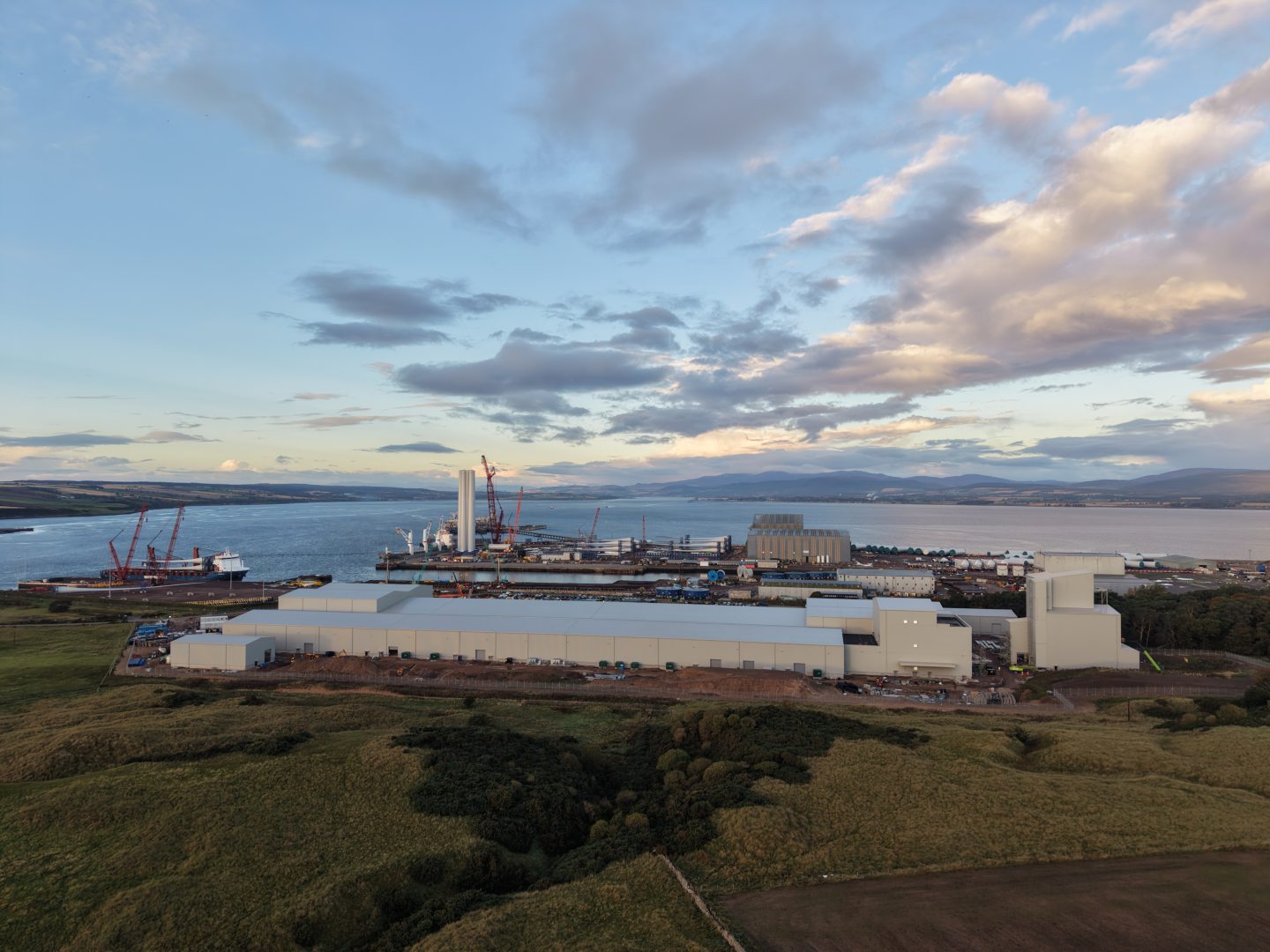
Sumitomo opened the UK’s first high-voltage direct-current subsea cable factory in Scotland in mid-October, according to new reporting. Separately, an Indian minister’s commentary describes a $19.3 billion Green Energy Corridor phase intended to integrate 135 GW of renewables. These add detail to the existing infrastructure response; neither establishes that grid constraints have eased or emissions have fallen.
What Matters?
Infrastructure progress is not yet an emissions outcome
The cable factory and India’s grid investment address distinct parts of the delivery chain, reinforcing the prior assessment that renewable capacity needs supporting infrastructure. Their climate value depends on completed connections, usable generation and fossil displacement; the evidence does not demonstrate a change in the global emissions trajectory.
Adaptation must be judged against harm and who pays
California’s mitigation spending illustrates the existing concern that risk reduction can shift substantial costs onto households. Without evidence on avoided harm and affordability, higher spending cannot be treated as proof of successful adaptation.
What's Next?
Track grid projects through to delivery and displacement
The existing delivery watch remains unresolved. Watch whether India’s corridor produces commissioned connections and usable renewable generation, and whether that generation displaces fossil power. Separately, verify whether global renewable additions actually decline in 2026.
Test adaptation outcomes, not just expenditure
Watch whether wildfire mitigation measurably reduces risk at an affordable cost and whether heat responses reduce health harms while preserving services. Neither existing watchpoint is resolved by the available evidence.