
 AI Governance
 Data Centers
 Drones
 Climate
 Privacy
 Bob Dylan

Climate: Featured Story
Coverage from India Times, The Independent, and others
COP31 Fails to Reach Fossil Fuel Deal
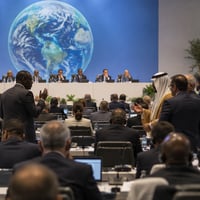
Countries at COP31 in Antalya failed to adopt a closing document after disagreement over whether it should address fossil fuels. The EU and small island states rejected a draft that omitted them, while Saudi Arabia and other oil-producing countries opposed their inclusion. The closing plenary ran well beyond its scheduled end, and the summit co-president said the decisions were not adopted because there was no consensus.
If you read one thing
Reuters gives a concise account of the failed closing deal and the dispute over fossil-fuel language.
Best explainer
The Conversation explains why the fossil-fuel dispute blocked agreement and distinguishes the failed cover text from other summit work.
The evidence
The New York Times describes how the consensus rule allowed objections to prevent a final declaration.
The evidence
This account details related unresolved disputes over adaptation finance, electrification and climate science.
The proposed cover decision was not adopted because consensus was not reached. Coverage also reports limited progress on some narrower issues, but the main text and several related questions remain unresolved.
The final draft omitted an explicit reference to fossil fuels or a transition away from them, prompting the EU and several other countries, including vulnerable island states, to object.
Saudi Arabia and other oil-producing states opposed fossil-fuel language; accounts also describe disagreement over carbon capture and climate finance as contributing to the impasse.
The summit co-president said there was no consensus and the decisions were not adopted. Some narrower work advanced, but the coverage does not establish a comprehensive replacement agreement.
The failed closing decision did not erase commitments made at earlier UN climate conferences; the status of several COP31 issues, including adaptation finance, remains unresolved in the coverage.
Nearly 48 hours of overtime
The talks ran nearly 48 hours past schedule before the proposed cover decision failed to gain consensus.
196 countries and the European Union
NBC News reported that delegates from 196 countries and the EU took part in negotiations.
More than 130 countries
The Conversation reported that over 130 countries pushed back against the unsatisfactory draft; the draft omitted a reference to fossil fuels.
35% by 2035, up from around 23%
A proposed goal to raise electricity’s share of global final energy use was not embedded in the cover text; related reporting says the pledge drew support outside formal negotiations.
Contested Issue
Whether the closing text should explicitly call for moving away from fossil fuels
The European Union and climate-vulnerable countries said they could not accept a deal that omitted fossil fuels and sought language on a transition away from them.
Saudi Arabia, Russia and other oil-producing countries opposed including fossil-fuel transition language; Russia argued that supplies falling faster than demand could cause price shocks and energy poverty.
Coverage began with reports of the failed agreement and the unresolved dispute over fossil-fuel language. Subsequent accounts described the EU and other countries rejecting a draft that omitted the issue, while oil-producing states opposed its inclusion; they also identified climate finance and carbon capture as points of contention. Later reporting examined the consequences for consensus-based negotiations and other climate efforts, while further coverage revisited how the draft and objections led to the impasse.
- 11-21-2026
Reuters reported the talks had collapsed after the EU and other governments rejected the proposed deal, with the dispute over whether to mention fossil fuels unresolved.
- 11-22-2026
Reports described the absence of an adopted overarching decision, the EU and other countries’ objections to a draft without fossil-fuel language, and opposition to such language from oil-producing countries. Some coverage also highlighted disagreements over climate finance and carbon capture.
- 11-23-2026
Coverage broadened from the breakdown itself to its implications for the UN process and possible reforms, while also noting limited progress on some separate initiatives and unresolved finance questions.
- 11-24-2026
Further accounts recounted the draft sequence and the opposing positions, and reiterated that the disagreement over explicit fossil-fuel language left the summit without consensus.