
 AI Governance
 Data Centers
 Drones
 Climate
 Privacy
 Bob Dylan

Climate: Featured Story
Coverage from Ottumwa Courier, Whec, and others
COP31 Talks Go Into Overtime Amid Fossil Fuel Dispute
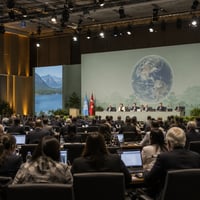
UN climate negotiators extended COP31 in Antalya beyond its planned Friday conclusion after a draft agreement omitted references to fossil fuels. Delegates also faced disagreements over climate finance and whether a proposed electricity-use target should specify clean generation. The talks continued amid criticism from some countries and activists, but the final agreement and its commitments remained unresolved in the reporting.
If you read one thing
A broad report on the overtime talks, the omitted fossil-fuel language, and the unresolved stakes for climate finance.
Best explainer
Details the specific disputes over the electricity target, climate finance, and countries’ objections to the draft.
The evidence
Adds a closer account of the draft’s proposed targets and the competing arguments over fossil fuels and climate support.
The talks were still unresolved in the coverage, with negotiators working overtime but no final agreement or settled commitments reported.
Negotiations continued after the planned close as countries tried to reach a final agreement; reports described hopes for concrete fossil-fuel cuts as limited.
A late draft omitted references to fossil fuels, prompting objections from activists and countries including Panama; the reporting does not establish whether that language was restored in a final text.
A proposed goal to raise electricity’s share of final energy use to 35% by 2035 did not specify that the electricity must come from clean sources, leaving that condition disputed.
Climate-finance provisions remained contested: coverage reported that a prior draft’s $120 billion annual adaptation target was absent from the revised text, which called for tripling a fund without specifying an amount.
One extra day
Negotiators continued talks beyond the summit’s scheduled Friday conclusion in an attempt to reach a final agreement.
35% by 2035, up from roughly 21% today
A proposed target would raise electricity’s share of total global energy consumption; the draft did not require that the electricity come from clean or renewable generation.
At least $120 billion annually
A previous draft proposed this amount to help poorer, vulnerable countries adapt to climate change; the revised draft omitted the specific target.
Nearly 200 countries
The conference involved representatives of nearly 200 countries, according to Countercurrents’ account.
1.8°C (3.4°F)
ETV Bharat reported that October 2026 was this much warmer than the mid-1800s; this was background context for the talks, not a COP31 commitment.
Contested Issue
Whether the COP31 agreement should explicitly address phasing out fossil fuels
Panama and the European Union objected to the revised draft’s omission of fossil fuels; Panama said it could not accept a final declaration that did not mention them.
Saudi Arabia and several other oil- and gas-producing countries objected to fossil-fuel references, after which those references were removed from the revised draft.
Whether the proposed electricity-use target should require clean generation
Several countries called for the target to specify clean electricity generation, arguing that a higher electricity share would not ensure climate benefits if power came from fossil fuels.
Turkey’s environment minister, Murat Kurum, said the electrification push itself implied a transition away from fossil fuels and said the talks were not there to revisit decisions at previous COPs.
Whether carbon capture should be supported as part of the climate response
Supporters of carbon capture argued that it could help reduce industrial emissions.
Vanuatu’s climate minister criticized carbon capture as a false solution and called for its removal from the draft, warning that it could justify continued fossil-fuel use.
Whether the climate-finance draft provides a sufficiently specific adaptation commitment
A previous draft proposed at least $120 billion annually for adaptation, but the revised draft dropped that target and instead called for tripling a compensation fund without specifying an amount.
Developing countries pressed for financial assistance, with Ghana’s environment minister saying her country had not come to the conference to beg.
Coverage described COP31 talks extending beyond their planned Friday close as negotiators sought a final agreement. Reports centered on a late draft that omitted fossil fuels, with disputes also remaining over climate finance and whether an electricity-use target should require clean generation. Some coverage detailed objections from countries including Panama and the European Union, while the outcome remained unresolved.