
 AI Governance
 Data Centers
 Drones
 Climate
 Privacy
 Bob Dylan

Climate: Featured Story
Coverage from Michigan Public, News Bug, and others
Michigan Roadmap Targets Carbon-Neutral Industry by 2050
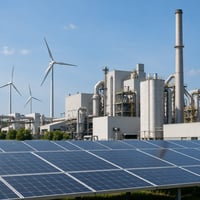
A Michigan state report outlines phased measures to make the industrial sector carbon-neutral by 2050, including grants, tax credits, greenhouse-gas limits, renewable energy, storage, and sustainable sourcing. It estimates that unchanged industrial emissions could add more than $616 million in annual health spending by 2050. The report also argues that coordinating industrial electricity use with renewable generation could improve grid efficiency and affordability, though implementation will require resources and engagement with manufacturers.
If you read one thing
The master coverage explains the roadmap’s phased measures, projected health costs, grid rationale, and implementation needs.
The evidence
It adds criticism of the roadmap’s potential energy-bill and business costs, alongside state and consultant support for coordinated action.
The roadmap sets out recommended measures, but the coverage does not establish that they have been implemented. Near-term work would require resources, research, and engagement with stakeholders; the costs and benefits remain subjects of debate.
The report divides its route to 2050 into near-, medium-, and longer-term steps, recommending grants, tax credits, greenhouse-gas limits, investment in renewable energy and storage, and more sustainable sourcing.
The report estimates that unchanged industrial emissions could bring more than $616 million in additional annual health spending by 2050. Its authors also argue that aligning industrial electricity use with renewable generation could improve grid efficiency and affordability; these are projections and proposed benefits, not reported outcomes.
The report says near-term steps require assembling resources, conducting research, and working with stakeholders. Michigan’s Manufacturers Association said it was still evaluating the plan, while expressing support for voluntary, incentive-based modernization options.
The proposal faces criticism over potential energy-bill and business costs. A Mackinac Center policy director cited projected increases, while state officials and a roadmap consultant argued that coordinated support could advance implementation; the coverage does not establish the actual costs or effects of the plan.
2050
The roadmap sets carbon neutrality for Michigan’s industrial sector as its long-term target.
Three phases
The report divides its recommendations into near-, medium- and longer-term goals.
More than $616 million annually by 2050
The roadmap estimates that, if industrial emissions remain unchanged, they could lead to this amount in additional annual health spending.
Nearly half
The report says Michigan’s industrial and energy sectors together account for nearly half of the state’s greenhouse-gas emissions.
Contested Issue
Whether Michigan should prioritize industrial decarbonization policy or end state decarbonization mandates over affordability concerns
Mackinac Center policy director David Stevenson argued that Michigan should stop prioritizing decarbonization and make ending state mandates its highest priority, citing projected higher electricity bills and potential business and population outflows.
Michigan Chief Climate Officer Alessandra Carreon said the roadmap uses existing technology and practical measures intended to improve cost-effectiveness for businesses and save money for communities; the state presents it as part of its path to carbon neutrality by 2050.
Coverage first described the roadmap’s phased path to industrial carbon neutrality by 2050, including grants, tax credits, emissions limits, renewable energy and storage. Reporting also highlighted the plan’s estimate that unchanged industrial emissions could add more than $616 million in annual health spending by 2050, and its argument that coordinating industrial electricity use with renewable generation could improve grid efficiency and affordability. Implementation was presented as requiring resources, research and stakeholder engagement; the Michigan Manufacturers Association said it was still evaluating the plan while identifying potential in voluntary, incentive-based modernization support. Subsequent coverage emphasized criticism from a Mackinac Center policy director, who argued that decarbonization policies could raise energy bills and undermine competitiveness, alongside state and consultant support for coordinated action.