
 AI Governance
 Data Centers
 Drones
 Climate
 Privacy
 Bob Dylan

Climate: Featured Story
Coverage from France 24, Channel News Asia, and others
UN Climate Talks Enter Crunch Time Without Deal
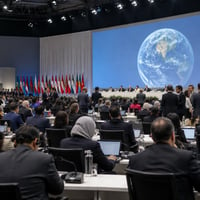
At COP31 in Antalya, negotiators from nearly 200 countries had not reached agreement as talks entered their endgame on November 20. The latest draft omitted an earlier call to accelerate the phaseout of fossil fuels, while leaving divisions over clean electrification, adaptation finance, carbon capture and the timing of future IPCC assessments unresolved. The draft was still under negotiation, and several proposals described in it were not agreed commitments.
If you read one thing
The master report lays out the draft’s changes and the main unresolved disputes over fossil fuels, electrification, climate science and adaptation finance.
Latest development
This later report follows the talks into overtime and details the divisions over carbon capture, clean electrification and the timing of IPCC reports.
The evidence
It adds specific figures on adaptation funding needs and describes calls for milestones and public monitoring.
The draft remained under negotiation, and coverage described no final agreement. Its proposed measures and targets were not settled commitments.
The latest draft omitted fossil-fuel phaseout language that appeared in an earlier version, leaving countries divided over whether the final text should address coal, oil and gas.
The draft referred to a voluntary goal of raising electricity’s share of final energy demand to 35% by 2035, but did not require that the added electricity come from clean sources; carbon capture language was also contested.
Adaptation finance remained disputed. The draft proposed further talks toward tripling finance by 2035 but omitted a $120 billion target sought by developing countries, and reporting said it lacked a specific delivery plan.
Countries disagreed over whether the next IPCC assessments should be available before the 2028 global review or be delayed until 2029; the timing remained unresolved in the draft coverage.
Nearly 200 countries
Negotiators from nearly 200 countries were trying to bridge differences over the draft climate deal.
35% by 2035
Türkiye promoted a voluntary goal to raise electricity’s share of global final energy demand to 35% by 2035; the draft did not require that the added electricity come from clean sources.
23% to 35%
A report described Türkiye’s proposed increase in electricity’s share of global final energy consumption from 23% to 35%; countries disputed whether the power should come from clean sources.
$120 billion
The draft omitted the $120-billion adaptation-finance goal sought by developing nations; the figure was a sought-after target, not an agreed commitment.
Tripling adaptation finance by 2035
The draft proposed further discussions toward tripling climate-adaptation finance by 2035, without setting a specific delivery plan.
$28.2 billion to $31.7 billion in 2024; about $305 billion a year through 2035
Ghana’s chief negotiator said industrialized countries provided that range in public adaptation funding in 2024, compared with an estimated need of about $305 billion annually through 2035.
Before 2028 versus 2029
Dozens of countries wanted the IPCC’s next assessments available before the 2028 global review of emissions-cutting efforts, while a smaller group, including Saudi Arabia and India, wanted them postponed until 2029.
Around 130 countries
Ireland’s climate minister said around 130 countries at the summit wanted at least a reference to fossil fuels and phaseout in the final text.
1.5°C
The draft expressed deep concern about an imminent breach of the Paris Agreement’s 1.5°C temperature goal; the talks had not resolved how to respond.
Contested Issue
Whether the final deal should include a commitment to phase out fossil fuels
France and 11 other countries called for a clear phaseout commitment; Tuvalu and other countries also objected to the draft's omission of fossil fuels.
The revised draft issued by Australia omitted any mention of coal, oil and gas, and oil-producing countries had resisted bringing phaseout language back into the negotiations.
Whether the proposed 2035 electrification target should require clean power
Türkiye promoted a voluntary goal to raise electricity's share of final energy demand to 35 percent by 2035.
Some countries said the proposal should explicitly require clean electricity rather than leave room for power generated from coal or gas; France's climate minister said she would push for clean electrification.
When the IPCC should publish its next assessments
Dozens of countries wanted the next IPCC assessments available before the 2028 global review of emissions-cutting efforts.
A smaller group, including Saudi Arabia and India, wanted the assessments postponed until 2029.
How adaptation finance should be increased and delivered
Developing countries sought stronger, specified funding commitments, including a clear baseline, annual milestones and public monitoring for a promised tripling of adaptation finance.
The draft dropped the developing countries' $120-billion target and instead proposed further discussions toward tripling adaptation finance by 2035; rich nations cited budget constraints and argued that large emerging economies should also contribute.
Whether carbon capture should receive a prominent role in the draft
The latest draft welcomed efforts to ramp up carbon capture, utilisation and storage.
Critics opposed that emphasis, and Vanuatu's climate minister said the technology had been singled out for special attention it did not deserve.
Coverage on November 20 described COP31 entering its endgame with negotiators divided over a draft that had dropped an earlier call to accelerate fossil-fuel phaseout. Reports also detailed unresolved disputes over clean electrification, carbon capture, adaptation finance and the timing of IPCC assessments. By November 21, coverage said negotiations had gone into overtime without a deal, with the fossil-fuel language and climate finance still major obstacles. The draft remained under negotiation; the reports did not describe its proposals as agreed commitments.