
Last Update: 08/01/2026 at 1:33 PM EST

Critical Minerals Strain Clean Energy Supply Chains

Coverage from Climate Home News, Yale Climate Connections, and others

Articles

9

Active Days

169

The Topic
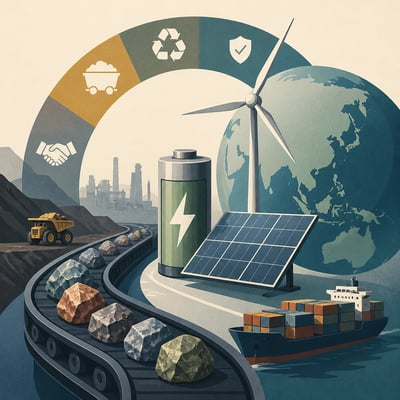
Critical Minerals Strain Clean Energy Supply Chains topic image

Rising demand for batteries, solar equipment, grids, electric vehicles and other clean-energy technologies is exposing concentrated and geopolitically vulnerable mineral and manufacturing supply chains. Governments are responding with stockpiles, trade measures, domestic manufacturing incentives and recycling initiatives, but uncoordinated action could increase price volatility and transition costs. India is expanding its role in solar manufacturing and mineral recovery, although major gaps remain in refining, wafer production, finance and commercial infrastructure.

First Article: 01/24/26

Latest Article: 07/11/26

History

07/22/20260 new articles

The story now places more emphasis on India’s current buildout in solar manufacturing and mineral recovery, while sharpening the warning that fragmented stockpiling and diversification can worsen price volatility and transition costs. It also broadens the framing to include more sectors and a wider set of governments and industry actors.

07/20/20264 new articles

The story has broadened from a general clean-energy mineral constraint into a more specific supply-chain resilience and industrial-policy problem, with sharper emphasis on refining chokepoints, strategic reserves, and trade controls. It also now explicitly ties mineral demand growth to AI infrastructure, not just electrification.

05/30/20260 new articles

The story has shifted from a general clean-energy mineral constraint narrative to a more India-centered and operationally specific picture. It now emphasizes active policy and market adjustment around recycling, processing, stockpiling, and supply-chain coordination, rather than just describing structural shortages.

05/12/2026Topic Formed

Critical mineral supply constraints are increasingly shaping clean energy planning, with India, the United States, and other actors responding through exploration, recycling, stockpiling, and trade measures. The recurring concern is that demand for batteries, solar, wind, and electrification will outpace mining, refining, and grid-related infrastructure capacity.