
 Climate
 Privacy
 Bob Dylan
 Drones
 Data Centers
 AI Governance
 2026 Maine Senate Race
Solar Leasing And Ownership Options
Coverage from Washington Post, Canary Media, and others
Articles
6
Active Days
143
The Topic
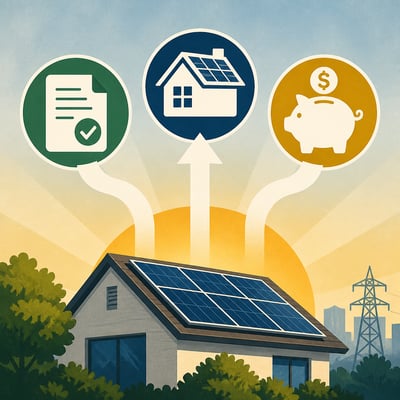
The material focuses on how homeowners can finance rooftop solar through leasing, prepaid leases, or ownership, and how those choices affect upfront cost, savings, maintenance, and control. A recurring theme is that third-party ownership can lower barriers to adoption, especially as federal incentives and utility-rate pressures change. Several pieces also frame rooftop solar as a broader distributed-generation strategy that can reduce land-use conflict and improve grid resilience.
First Article: 02/01/26
Latest Article: 06/23/26
Summary
- Leasing is presented as the lowest-barrier path to rooftop solar, with little or no upfront cost and predictable monthly payments.
- Ownership is repeatedly contrasted as offering stronger long-term savings and property-value benefits, but with higher initial expense and more responsibility.
- A newer prepaid lease structure is gaining attention as installers adapt to the end of the federal residential solar tax credit.
- Third-party ownership lets providers capture commercial tax incentives and pass some of that value through to customers as lower prices or discounts.
- Several sources emphasize that leased systems usually shift maintenance, warranty, and repair obligations away from homeowners.
- Rooftop solar is also framed as a grid and land-use solution because it generates power near demand and avoids some siting conflicts.
- Policy and market structure matter: interconnection rules, on-bill financing, incentives, and utility returns are all cited as important to broader adoption.
History
This topic is new, but as new articles are added to it this area will summarize shifts, changes and expansions of the issues.
Featured
Timeline: 143 Days
Hover over any logo to see coverage summary, click for full article.