
 Climate
 Privacy
 Bob Dylan
 Drones
 Data Centers
 AI Governance
 2026 Maine Senate Race
Last Update: 08/01/2026 at 2:33 PM EST
Western Heat And Fire Risk
Coverage from Los Angeles Times, edhat, and others
Articles
4
Active Days
24
The Topic
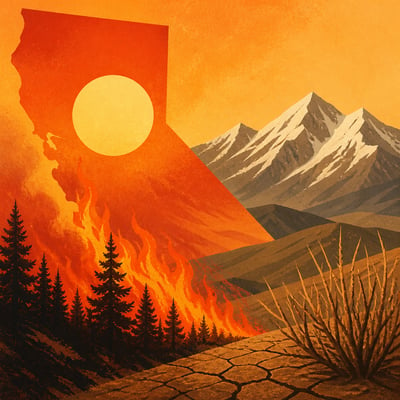
Record March heat across California and the Western United States is drying vegetation, reducing mountain snowpack, and raising wildfire risk, while state agencies and residents prepare for a potentially earlier fire season.
First Article: 03/13/26
Latest Article: 04/05/26
Summary
- Extreme March warmth is the dominant signal, with record or near-record temperatures across California and the broader West.
- Hot, dry conditions are accelerating vegetation drying and pushing wildfire season earlier.
- Rapid snowmelt in the Sierra Nevada and other western mountain basins is reducing snowpack and weakening late-season water storage.
- California officials say drought is not yet present because of prior wet winters, but they warn that late spring weather will matter for fire and water conditions.
- Preparedness is increasing through more firefighting staffing, air tankers, helicopters, and smoke-camera monitoring.
- The evidence mixes observed heat events with short-range forecasts, making the current signal partly immediate and partly anticipatory.
- Climate change is treated as a contributing factor that intensifies the likelihood and severity of these extremes.
History
This topic is new, but as new articles are added to it this area will summarize shifts, changes and expansions of the issues.
Featured
03-16-2026
National Weather Service forecasts record March heat wave in Southern California this week.
03-13-2026
Forecast models reveal record western heat and rapid snowmelt driving water management challenges in winter 2025-2026 across the western United States.
03-20-2026
Cal Fire and California leaders respond to record March heat as experts warn wildfire risk rises and Sierra Nevada snowpack declines could reduce late-season runoff.
Timeline: 24 Days
Hover over any logo to see coverage summary, click for full article.
Additional Articles
⭐⭐⭐
Warm, dry March heat reaching the 90s across California, including San Francisco first-ever 90-degree March day, prompted wildfire preparedness guidance and climate risk concerns in 2020s.