
 Climate
 Privacy
 Bob Dylan
 Drones
 Data Centers
 AI Governance
 2026 Maine Senate Race
Data Centers Turn To Nuclear Power
Coverage from Newsweek, Yahoo Finance, and others
Articles
7
Active Days
69
The Topic
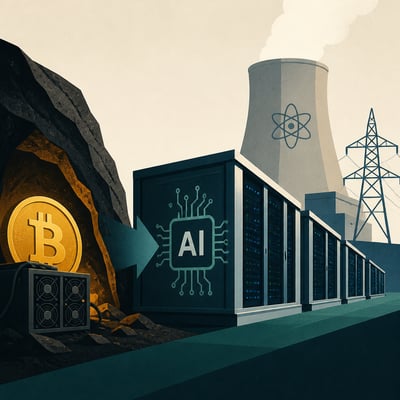
Data center developers and technology companies are turning to existing nuclear plants, proposed small modular reactors, and long-term power contracts as electricity demand rises and grid availability tightens. Microsoft, Google, Meta, and Riot Platforms are pursuing different versions of this approach, ranging from the planned restart of Iowa’s 615-megawatt Duane Arnold plant to early-stage reactor concepts for future AI campuses. The strategy could provide dependable power, but permitting, financing, construction timelines, supply chains, and local opposition make many nuclear-powered data center plans long-term rather than immediately available.
First Article: 05/07/26
Latest Article: 07/14/26
Summary
- Google is tied to the planned restart of Iowa’s 615-megawatt Duane Arnold nuclear plant, targeted for operation by the end of 2028.
- Microsoft, Meta, and other major technology companies are using long-term agreements and nuclear partnerships to secure electricity for data center growth.
- Riot Platforms is repositioning its Texas-based power portfolio toward AI and high-performance computing while exploring up to 4 gigawatts from Terrestrial Energy reactors.
- Existing nuclear restarts and plant upgrades are presented as nearer-term options than new small modular reactors, which remain dependent on licensing, financing, and supply-chain progress.
- PJM is identified as especially exposed to data center-driven supply pressure, with projected capacity costs reported at $16 billion.
- Large proposed campuses still face execution risks, including incomplete permits, land issues, community opposition, and cooling-related litigation.
History
The story now centers more narrowly on concrete nuclear supply paths for data centers, especially the Duane Arnold restart and existing-plant deals, rather than the broader mix of nuclear possibilities. It also more clearly frames new small modular reactor concepts as longer-dated and less immediate than restarts and upgrades.
The story has broadened from a few nuclear-backed data center examples into a wider industry trend involving major tech firms, utilities, and government agencies. It now emphasizes that nuclear deals are moving into more concrete planning, while also highlighting major execution and grid risks.
Featured
Timeline: 69 Days
Hover over any logo to see coverage summary, click for full article.